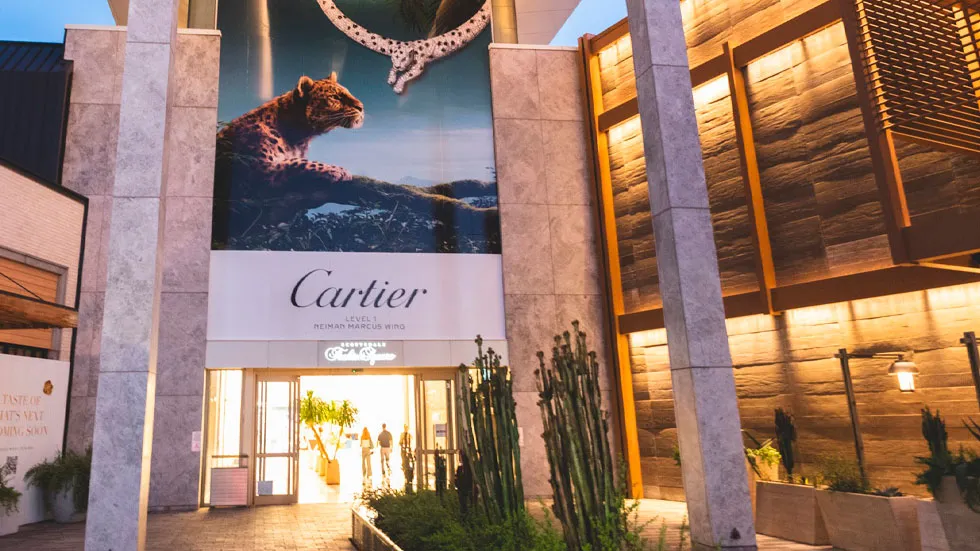
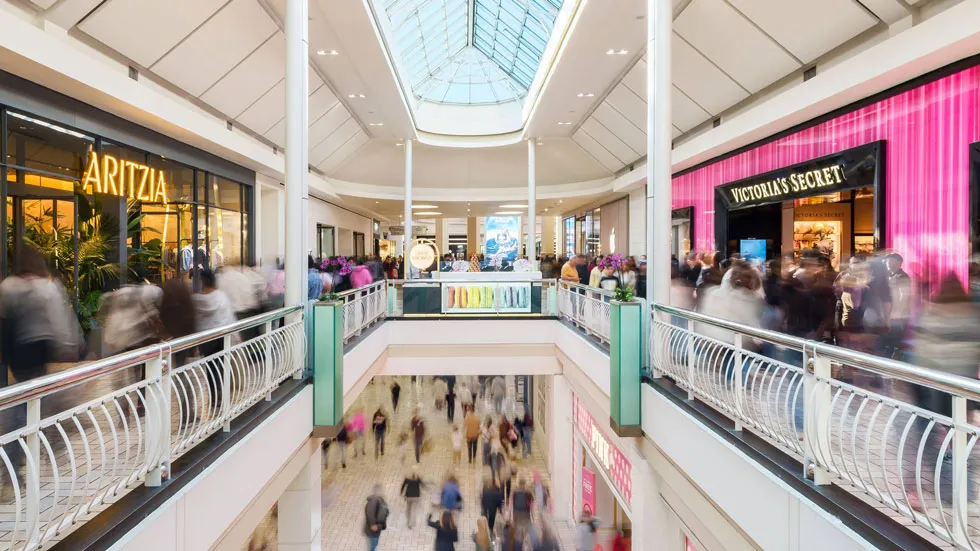
Malls today have become much more than places to shop. Gen Z consumers, in particular, are increasingly seeking authentic, in-person experiences and places to connect offline. This emergence of malls as "third spaces," where people gather and engage with the physical world, presents a compelling opportunity for advertisers, says Petra Maruca, senior vice president of business development at Macerich (NYSE: MAC).
“Rather than competing for attention within crowded digital feeds, out-of-home advertising (OOH) captures consumers in environments where they are actively engaged with the world around them,” Maruca says.
Despite these optimum conditions though, mall media remains an underutilized channel within OOH advertising, she says. Macerich is working to change that.
Maruca spoke with REIT.com about the evolving role of the mall, the importance high-quality malls can play in a retail brand’s strategy, how the Macerich Media Network allows brands to maximize campaign effectiveness, and more.
How has the role of the mall changed for younger generations in recent years?
Gen Z is powering a well-documented mall resurgence across the country, and top malls like Macerich’s provide physical experiences that are like “counterprogramming” for the digital/AI era. All people, but young people in particular, are craving what’s real.
Gen Z over-indexes when it comes to spending on trend-forward fashion, dining, and entertainment and many of our properties are actively adding exciting new restaurants and entertainment options, as well as the retail brands this generation adores, from Aritzia and Edikted to Garage, Reformation, and Coach.
A great restaurant example is Din Tai Fung, which we have brought to a number of Macerich properties. This is an interactive experience, where you can get up close to watch Din Tai Fung chefs create the brand’s famous 18-fold soup dumplings. For many of our socially-native guests, taking pictures and posting about it is part of the fun.
What about older generations, have their preferences/habits stayed more consistent?
Millennials and Gen X together account for about 50% of all household spending, making them the backbone of retail today. We are keenly aware that even as we elevate and transform our properties to align with Gen Z and Gen Alpha preferences, we must continue to deliver the experiences that older generations also prize.
It’s interesting that while Gen X is often overlooked by marketers, they remain the highest-spending generation today, representing 27% of total household spend. Much of this spend is shaped by Gen Z influence, as Gen X supports teenagers and young adults while also absorbing cultural trends.
In terms of category spending patterns, millennials and Gen X still drive sales in apparel, restaurants, and fitness. These generations grew up going to their favorite malls and still enjoy spending time there, and I think that for many people, it’s gratifying to see how their children are finding their own reasons to love going to the mall.
How is Macerich working to elevate and transform its properties today?
Macerich is sharply focused on boosting foot traffic, adding dwell time, and continuing to increase operational performance in order to make our great centers even better. This means reinvesting to add more top-tier and emerging retail, restaurant, and entertainment brands.
Last year, Macerich delivered record-breaking leasing momentum with approximately 7.1 million square feet leased in 2025, up 85% over 2024. We continue to attract leading retailers such as Abercrombie & Fitch, Alo Yoga, American Eagle, Apple, Aritzia, Eataly, Edikted, gorjana, lululemon, Warby Parker, Zara, and many more of today’s most exciting concepts.
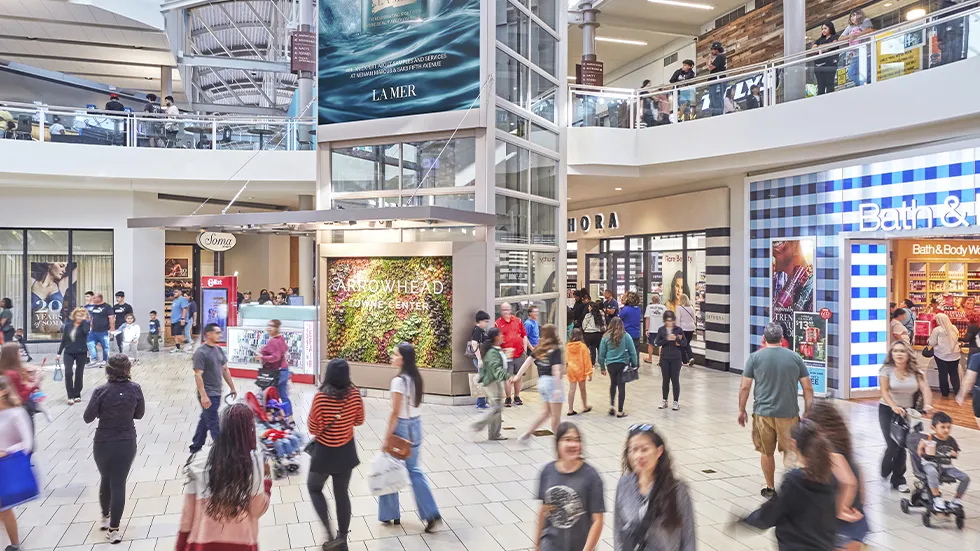
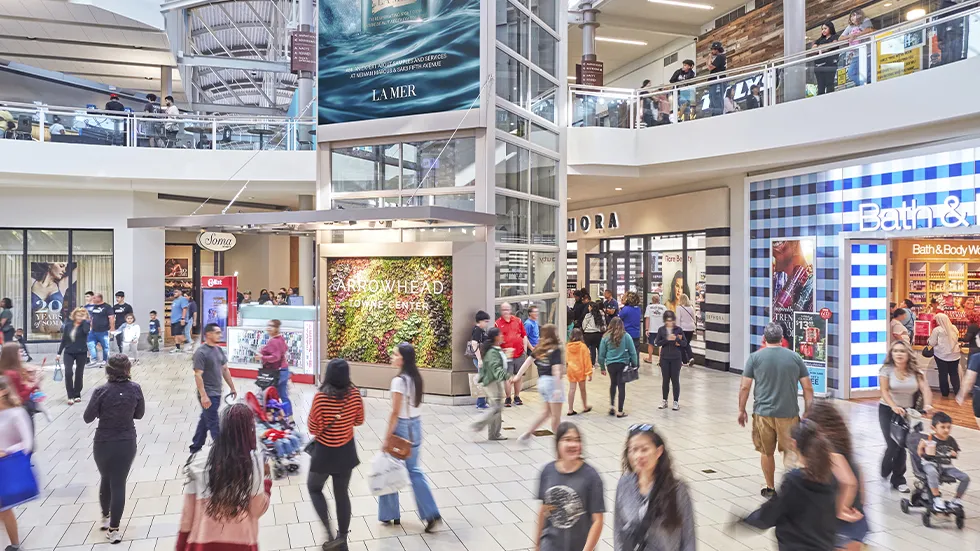
Importantly, we also accomplished our goal of signing leases for all 30 of the anchor and big box replacements we identified, and these are set to bring new energy and traffic-driving excitement to properties across the portfolio.
Overall, our leasing strategy is focused on curating a dynamic, elevated tenant mix for every center, paired with smart investments in design and amenities that are just right for each property and each market. Creating spaces that shoppers gravitate toward and want to spend time in also has a halo effect on the tenant stores.
Our luxury powerhouse in Arizona, Scottsdale Fashion Square, has a great tagline that really captures this comprehensive approach: “The best address keeps getting better.”
What role do high quality malls play in a retail brand’s strategy today, particularly as they become more selective about where they open physical stores?
We’re seeing a real bifurcation in the U.S. mall landscape right now, with high-quality retail centers getting stronger, while underperforming assets are being phased out. That’s why we’re so bullish at Macerich about our portfolio of thriving retail properties.
In line with this trend, retailers’ preference is now a growth strategy of quality versus quantity, large flagship and high-quality built-out physical stores instead of the historical market saturation of the past. So, while many top brands are opening fewer locations, they are choosing the highest-quality malls to reach their shoppers. It’s an exciting time for great retail properties in great markets, like we have at Macerich.
How does Macerich think about the mall as both a retail destination and a media platform?
Macerich’s A/A+ ranked portfolio offers a diverse collection of properties spanning top designated market areas (DMAs), attracts top retailers, and drives productive consumerism.
Malls are an integral part of the consumer journey, reaching audiences where they live/work/shop/play/stay, and allowing shoppers the opportunity to connect with brands in person. Both strategically and opportunistically, advertisers leverage our spaces to build brand awareness, influence consideration, drive store traffic, and engage consumers along the path to purchase.
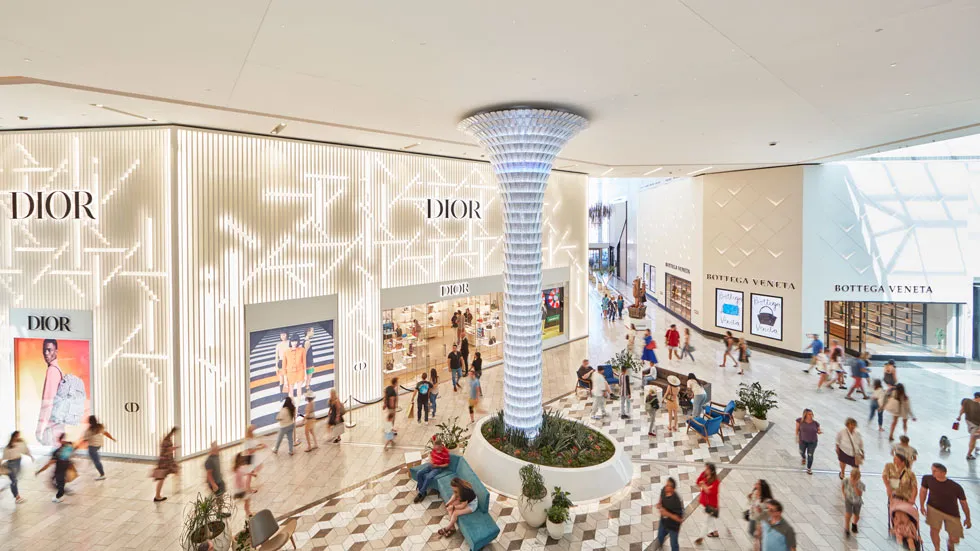
What makes Macerich shopping centers especially valuable are the variety of touchpoints available across our portfolio. Whether a brand is looking to create broad awareness, reach a specific audience, launch a new product, or drive a call-to-action, our environments provide a premium, high-traffic setting to achieve these objectives.
What’s more, our advertising partnerships extend beyond the retailers and brands physically located within our properties. We work with both endemic and non-endemic brands seeking to reach our audiences, using our media assets to generate awareness, impressions, and consumer engagement just as other OOH channels do. This flexibility allows Macerich to serve as both a retail destination and a powerful media platform, connecting advertisers with consumers at moments when attention, relevance, and impact matter most.
How have Macerich’s advertising offerings adapted in recent years?
Beyond offering high-visibility, large-format static and digital media, we take a strategic approach to both execution and placement. Our assets are positioned in key, high-traffic locations throughout our properties to maximize visibility, engagement, and advertiser impact.
We have intentionally and thoughtfully evolved our media network by right-sizing our static inventory while continuously upgrading and introducing new digital assets. This allows us to offer advertisers more dynamic, attention-grabbing formats that align with evolving consumer expectations and industry trends while still meeting advertisers’ share-of-voice expectations.
We've also expanded and diversified our portfolio digital assets to align with the broader OOH industry, including large-format exterior displays and highway-facing billboards. These include exterior digital spectaculars at Tysons Corner Center in Northern Virginia and Fashion Outlets of Chicago, as well as a 14x48 digital billboard at Queens Center in Elmshurst, New York.
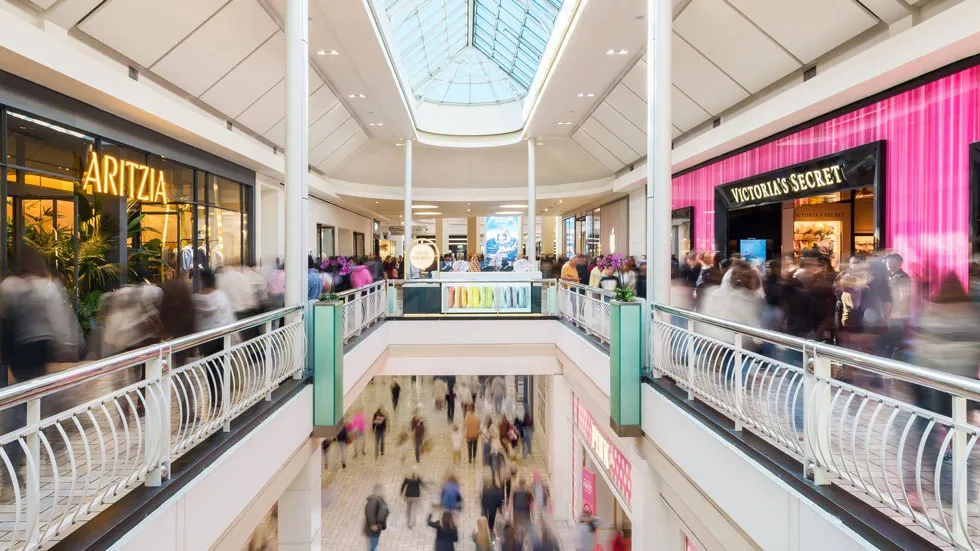
Our digital capabilities across the Macerich Media Network allow advertisers to showcase dynamic creative powered by real-time triggers, helping campaigns feel more relevant, timely, and engaging. Whether it's weather-based messaging, live updates, countdowns, or streaming major sporting events, these capabilities create more immersive experiences that help brands stand out and better connect with consumers. Advertisers can launch campaigns quickly, without the delays and costs associated with printing and installation.
Naming rights opportunities offer another appealing avenue for brands seeking to build connections with their audiences at our high-traffic destinations. In 2025, we executed a multi-year partnership with PenFed Credit Union for the launch of PenFed Plaza at Tysons Corner Center, and we are currently exploring naming rights partnerships for the Palm Court at Scottsdale Fashion Square, a high-profile, onsite gathering space which is currently undergoing a major renovation.
Describe how Macerich works alongside a premium brand to determine how best to integrate its messaging into the mall environment
Our Macerich Media Network team brings deep expertise in both the advertising industry and the unique dynamics of shopping center environments. We work closely with brands, agencies, and retailers to develop customized media solutions that align with campaign objectives and ensure advertisers are investing in the placements and experiences most likely to reach their target audiences.
We create fully customized programs combining media, experiential activations, sponsorships, and branded experiences to help advertisers achieve their goals. We also leverage a network of trusted vendor partners who support the design, production, and installation of custom executions, effectively bringing creative concepts to life at scale while maintaining quality and consistency.
Our in-house content management system allows us to oversee inventory and campaign delivery. We provide detailed photosheets, location maps, professional photography, and post-campaign reporting so advertisers have a clear understanding of campaign performance and return on their investment.
In addition, we offer measurement solutions, including third-party advertising brand lift studies, helping brands evaluate campaign effectiveness and understand the impact of their programs on their unique KPIs.