

After more than a decade operating as Global Medical REIT, the company has started a new chapter as Chiron Real Estate Inc. (NYSE: XRN), with a strategy that involves expanding beyond its traditional outpatient medical focus into adjacent areas within the broader health care and senior living ecosystem.
Mark Decker, Jr., CEO of Chiron, says the company is targeting investments tied to “essential health care” that reflect aging demographics and evolving care delivery models and where management believes attractive returns are available.
He notes the rebranding occurred to better match the company’s refreshed mission to deliver value at the intersection of care, capital, and real estate, as well as its values of integrity and thought leadership.
“It’s been an almost manic eight months of work,” he says about the transition. “We’ve had a lot of good work done by the team and the board and it’s been a really nice collaboration. I feel we’re at a great jumping off point. I’m really excited to be where we are today.”

Decker stepped into the CEO role in June 2025, joining the company during a period of strategic reassessment. This is Decker’s second time taking on a repositioning role, having previously served as CEO of multifamily REIT Centerspace (NYSE: CSR). Prior to that, he spent almost two decades in the REIT banking sector.
Over the past several months, Chiron’s leadership has evaluated how the REIT can evolve its investment approach, while continuing to build on the stability that health care real estate has historically provided.
The REIT has always been known for acquiring purpose-built health care facilities and leasing the properties to strong health care systems and groups with leading market share, and that’s not expected to change.
“Given we’re the new kids on the block, we’re looking for partners that we can learn and grow with and that we can get aligned around success with,” Decker says. “Once we can show people the kinds of investments we’re making, then it will be easier to explain the strategy.”
Name Change
The first big decision of the rebranding involved choosing a name and doing away with the REIT’s old moniker.
“We’re not global and I don’t love having corporate terms in the name,” Decker says. “No one shops at Nike Corporation. People don’t brand themselves that way. We wanted to work at a place that we can understand the name and why it’s called that.”
The new name derives from Greek mythology. Chiron, known for his knowledge and skill with medicine, was highly revered as a teacher and tutor and embodies the company’s current mindset. It was chosen after a company-wide naming contest, with the winner receiving a $5,000 prize.


“We want to be more broadly affiliated in health care,” Decker says. “The name is mostly for us—the people who work here now, the people who might hope to work here, and to some extent the capital markets. Our customers and their tenants don’t really care what the company’s called. They just like good service and responsiveness and clean, well-run properties. It’s about engaging humans that are going to really drive the business for us.”
While the branding may be new, the company’s core business model remains grounded in owning and operating health care properties that support the delivery of care in local communities. Leadership believes the new name simply better reflects the broader role the company hopes to play in the health care real estate ecosystem.
Active Adult Housing Focus
One niche that Chiron is looking to invest more in in the years ahead is active adult housing, which Decker describes as “nascent and interesting.”
“Active adult as it’s existed for the last 30 or 40 years has mostly been less amenitized,” he says. “Modern active adult is different. There are less than 50,000 apartment homes that fit into that bucket today. The target resident there is someone who’s still active, they may still be working and they’re looking for a community and a lock-and-leave living arrangement with lots of programming. They typically want to live there and stay reasonably long there.”
Active adult housing sits between traditional multifamily housing and senior living communities, typically catering to residents aged 55 and older who remain independent but want access to social programming, amenities, and services tailored to their stage of life.
In Chiron’s opinion, that’s an underbuilt market and a housing product it wants to invest in and become a leader in.
“There is a super compelling demographic story that is around essential health care assets,” Decker says. “For my entire adult life, people have been talking about the silver tsunami, and it’s actually here now. Having a platform that could be involved in that is really interesting and a really compelling opportunity.”
He notes that the demographic wave of aging Americans will continue to influence demand across multiple real estate categories tied to health care and senior living.
"The average senior housing asset is over 20 years old," Decker says. “The senior of ten years from now will live in what will then be a 35-year-old facility, but there are also going to be consumers who want something newer that incorporates more modern amenities.”
Early Results Show Progress
In its most recent financial results, released at the end of February, the company reported mixed but generally encouraging indicators as it works through its strategic transition.
For the fourth quarter of 2025, Global Medical REIT reported a net loss attributable to common stockholders of $7.4 million, or $0.55 per diluted share, compared with net income of $1.4 million, or $0.10 per share, in the same period a year earlier. However, the company posted solid growth in key operating metrics, with funds from operations rising 26% year-over-year to $0.97 per share and core FFO increasing 6.4% to $1.16 per share.
Same-property cash net operating income grew 5.4% compared with the prior year, while portfolio leased occupancy remained strong at 96%.
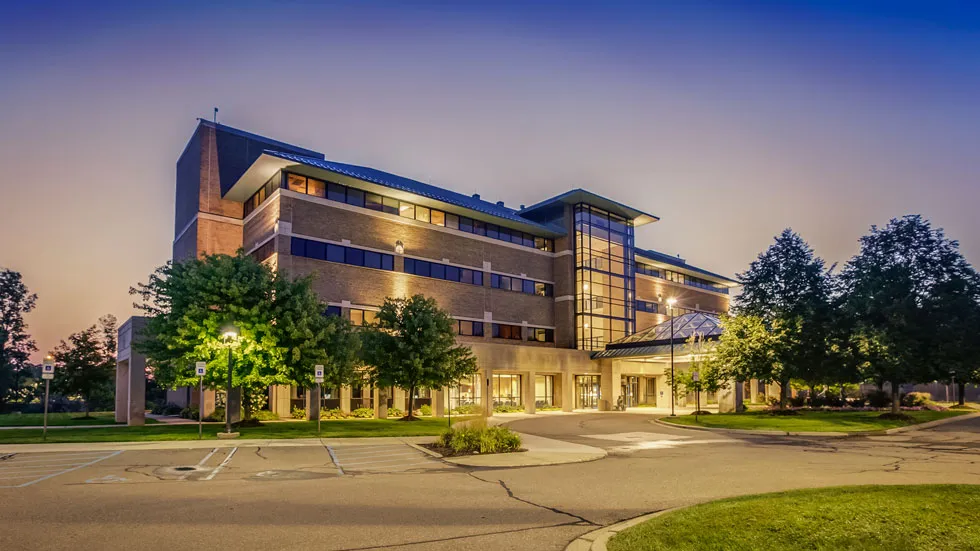
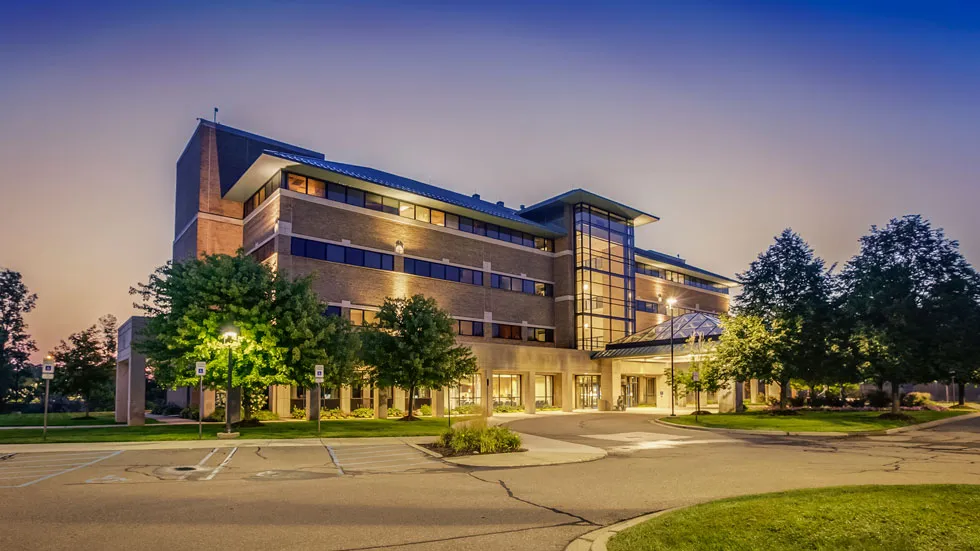
Outpatient medical properties have historically provided steady operating performance for health care landlords, a factor that has long appealed to investors seeking predictable cash flow.
“If you look at our stock right now, it is very poorly valued, or said another way, it’s a compelling value opportunity,” Decker says. “We have about $250 million of assets in the market to be recapitalized or sold. We think that currency would be better received if we had more exposure to active adult and seniors housing. The open question is whether 20% is enough or if it needs to be 70%. We don’t know the answer yet, but we know it’s more than zero.”
Overall, the portfolio currently totals approximately 5.1 million leasable square feet and generates $119.1 million in annualized cash NOI, with a weighted average lease term of 5.2 years. Decker says the results reflect progress in the company’s ongoing transformation, noting that leadership can now “see the business we want and a path to get there,” supported by what he describes as a strong underlying portfolio.
The company’s existing outpatient medical properties have historically delivered stable growth.
“Outpatient medical is a wonderfully consistent business,” Decker says. “For 25 years, the NOI growth has averaged 2% to 3%. My guess is there’s not a single year where it was less than 2 and not a single year where it was more than 3.”
Communicating Evolution to Investors
As the company drives forward under the Chiron name, leadership is focused on demonstrating the strategy behind the transformation and building momentum around new investment priorities.
“Our message to investors is clear: we’re going to have a nice consistent portfolio with a strong balance sheet and an excellent management team,” Decker says. “We’re going to be very disciplined on capital allocation.”
Decker notes the goal over the next several years is to clearly show the market how the company’s approach to essential health care real estate is evolving through the deals it pursues and the portfolio it builds.
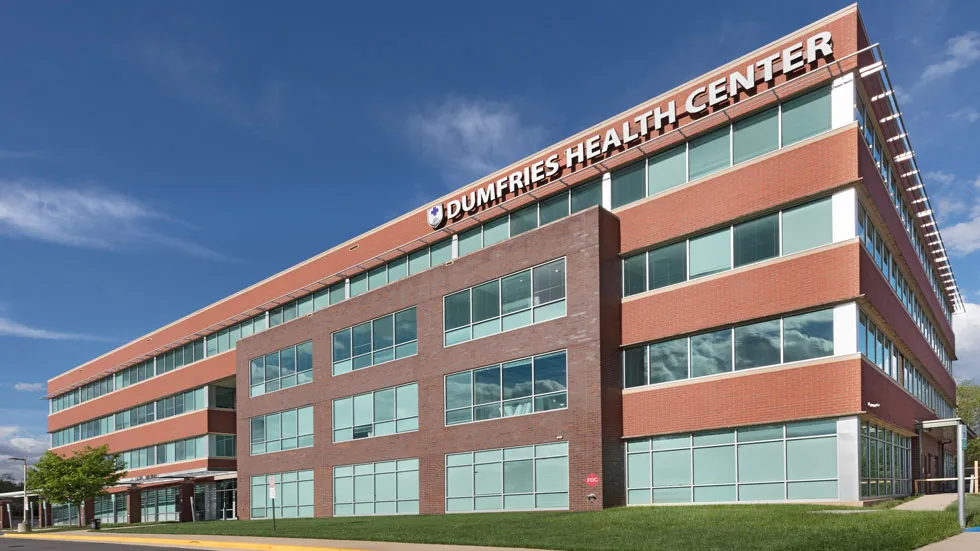
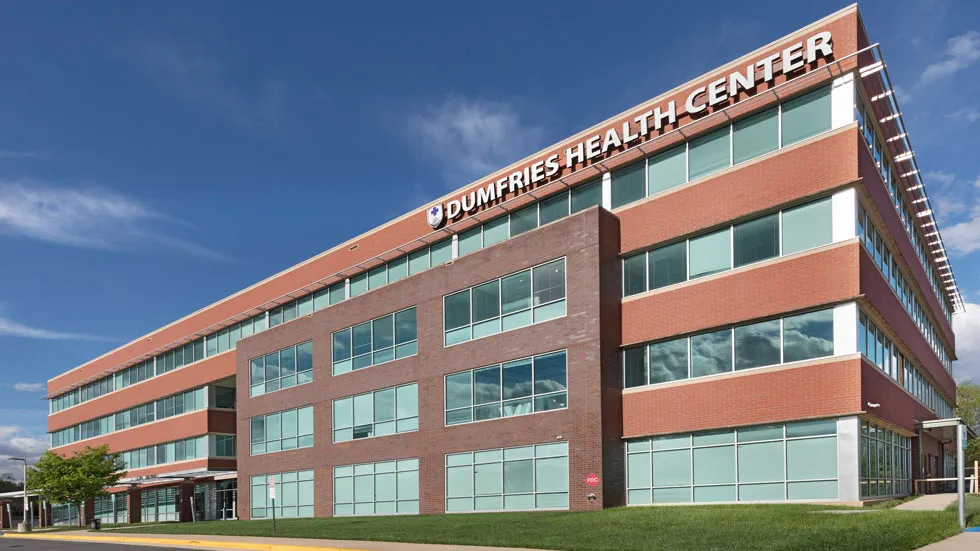
“More and more clearly, we can show people the kinds of things we’re interested in,” he says, noting that success will come from “putting points on the board around the kind of investments we want to make.”
If it’s essential health care oriented, “we’re focused on it,” he says. “We think double-digit unlevered returns are available, and we would like to go get those.”
While the company’s existing outpatient medical portfolio has historically delivered steady income growth, Decker acknowledges that the sector’s typical 2% to 3% annual NOI growth does not always provide the level of expansion investors seek.
At the same time, Decker shares that Chiron plans to maintain a disciplined and focused approach as it pursues these opportunities. The company aims to build a consistent portfolio supported by a strong balance sheet while selectively recycling capital into new investments aligned with its evolving strategy.
In a competitive health care real estate landscape, Decker believes the company’s boutique approach will help differentiate it. “It’s a huge world and those competitors are outstanding,” he says. “But there’s lots of room in the segment.”