Rayonier Inc.’s (NYSE: RYN) merger with PotlatchDeltic in January wasn’t simply another industry transaction; it represented the culmination of years of consolidation and the creation of a company that management believes is increasingly able to unlock value beyond traditional timber harvesting.
Just over a decade ago, investors could choose from seven publicly traded timber companies in the United States, five of them organized as REITs. Following a steady wave of consolidation, Rayonier is now only one of North America’s two remaining timberland REITs, making scale, portfolio quality, and capital allocation more important than ever.
Mark McHugh, president and CEO of Rayonier, says the transaction was never about becoming bigger for its own sake. It was about building a company with more strategic flexibility.
“We really viewed this as a one-plus-one-equals-three opportunity,” McHugh says. “The goal was to create a company that would ultimately be a much stronger competitor over the long term.”
A Century in the Making
Both Rayonier and PotlatchDeltic entered the merger with histories stretching back more than a century. Rayonier traces its roots to the Rainier Pulp & Paper Company, founded in 1926 in Washington state, while PotlatchDeltic was established in 1903 as the Potlatch Lumber Company. Both companies grew to be among the largest private landowners in the country.
McHugh points to a series of mergers over the last decade that steadily reshaped the competitive landscape. Weyerhaeuser (NYSE: WY) merged with Plum Creek. Potlatch acquired Deltic Timber and later CatchMark Timber Trust. Rayonier acquired Pope Resources.

By the time Rayonier and PotlatchDeltic began seriously discussing their own combination, the industry had already consolidated into three major public timberland REITs. “As Rayonier and PotlatchDeltic evolved, we became much closer in size, and our portfolios became increasingly complementary,” McHugh says.
Much of that complementarity centered on geography. Both companies had steadily expanded their presence across the U.S. South, a region McHugh describes as offering the strongest long-term opportunities for timberland ownership due to favorable growing conditions, attractive economics, and significant land-use optionality.
Those similarities helped transform what might once have been viewed as a traditional acquisition into something much different. Rather than one company absorbing another, Rayonier and PotlatchDeltic structured the deal as a merger of equals, with leadership intentionally blending governance, management teams, and operational practices.
Why the Rayonier Name Stayed
Because the transaction was structured as a merger of equals, management initially expected to adopt a new name and ticker symbol once the integration was complete.
That plan changed, however. “We went through the whole process of evaluating different alternatives for a new name,” McHugh says. “We really couldn’t land on anything that we liked as much as retaining the Rayonier name and brand.”
The decision wasn’t intended to diminish PotlatchDeltic’s legacy. Instead, McHugh notes that both companies possessed more than a century of history and well-established reputations within the industry. Ultimately, because Rayonier served as the legal and accounting acquirer, retaining the existing corporate identity offered the simplest path forward while preserving valuable brand recognition.
The more significant transformation, he argues, wasn’t the logo on the building but the capabilities inside it.
More Than a Bigger Footprint
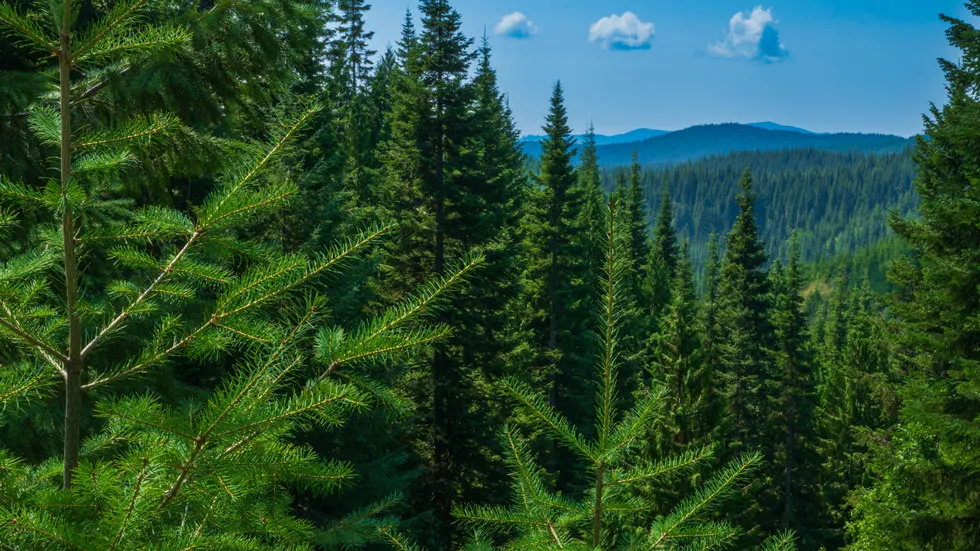
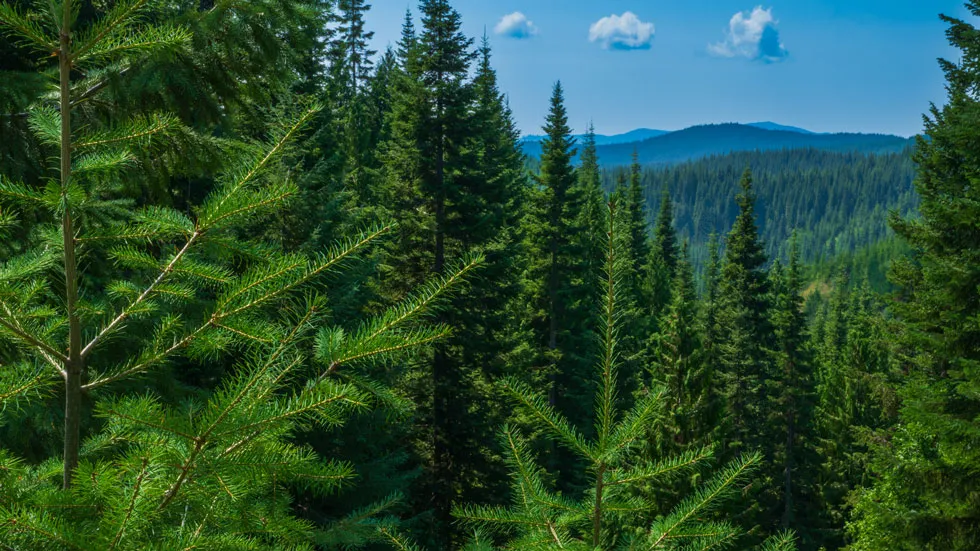
The combined company now owns approximately 4.1 million acres of timberland, including roughly 3.2 million acres across the U.S. South and about 900,000 acres in the Pacific Northwest.
But acreage alone wasn’t the objective. McHugh notes the merger fundamentally expanded the company’s ability to generate value from multiple business lines.
Before the transaction, Rayonier’s portfolio focused primarily on timberland ownership, higher-and-better-use real estate, and emerging land-based solutions. PotlatchDeltic, meanwhile, brought a well-established wood products manufacturing business that complemented the combined company’s portfolio.
“The key difference between the two companies is that Rayonier was not in the wood products manufacturing business, whereas PotlatchDeltic was,” McHugh says. “This combination gives us an efficient and scalable wood products manufacturing business, which we really think of as another lever to optimize our overall portfolio value over time.”
Management also expects the larger organization to generate approximately $40 million in annual cost synergies, improve trading liquidity, and enhance the company’s cost of capital. Those benefits are supported by what McHugh describes as a particularly strong balance sheet, created in part by Rayonier’s asset disposition program leading up to the merger.
Meanwhile, rather than maintaining a geographically scattered portfolio, the company has concentrated its holdings in what McHugh considers the country’s premier timber markets: the U.S. South and Pacific Northwest. It also controls substantial land positions in high-growth real estate markets, including Florida, Georgia, and Texas, where population growth is creating opportunities that extend well beyond timber production.
That strategy reflects a broader shift in how management views the business. Timber harvesting remains the foundation of the portfolio, but increasingly, the greatest value may come from identifying what individual parcels of land can become rather than simply what they can grow.
Unlocking Value Beyond Timber
If the merger gives Rayonier greater scale, McHugh believes the real opportunity lies in what that scale makes possible. Unlike many REIT sectors, where value is largely driven by rent growth and occupancy, timberland REITs own an asset that continually evolves. Trees mature, markets change, and land itself can take on entirely new purposes over time.
That flexibility has become central to Rayonier’s investment philosophy. “If I were to describe our strategy in one succinct statement, it would be this: we want to optimize the value of every acre in the portfolio,” McHugh says.
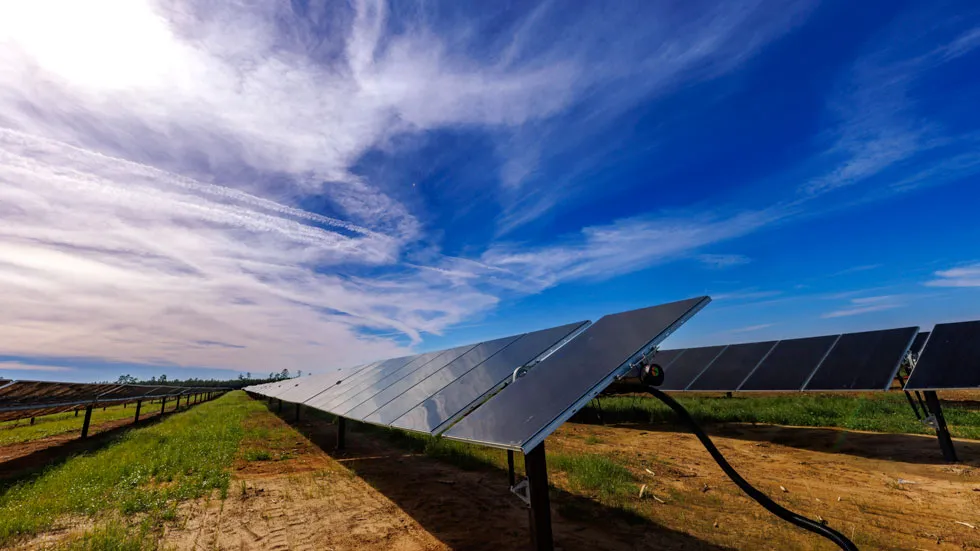
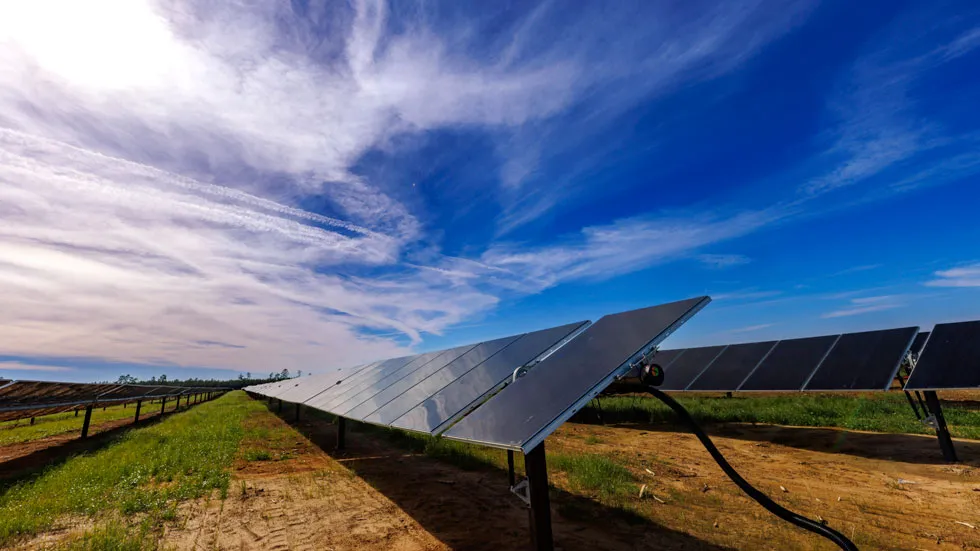
For decades, that primarily meant producing timber. Today, the possibilities are far broader. Some acreage remains dedicated to sustainable timber production, while other parcels may ultimately support residential or commercial development. Still others may generate value through utility-scale solar projects, carbon capture and storage, or other land-based solutions that scarcely existed a decade ago.
Those opportunities have fundamentally changed how management evaluates its portfolio. “Some of the things that we’re doing today weren’t even on the radar 10 years ago,” McHugh says. “I imagine that some of the things we’ll be doing 10 years from now probably aren’t on the radar today.”
That optionality is one reason McHugh believes timberland remains one of the REIT industry’s most distinctive asset classes.
He likens the investment to a combination of recurring income and embedded long-term value. Timber operations generate predictable cash flow, while ownership of millions of acres provides opportunities that may not materialize for years but can create significant upside when market conditions align.
“It’s unlike any other real estate business,” he says. “There’s this inherent option value embedded in land ownership that’s detached from the recurring cash flow associated with timber operations.”
Development Already Underway
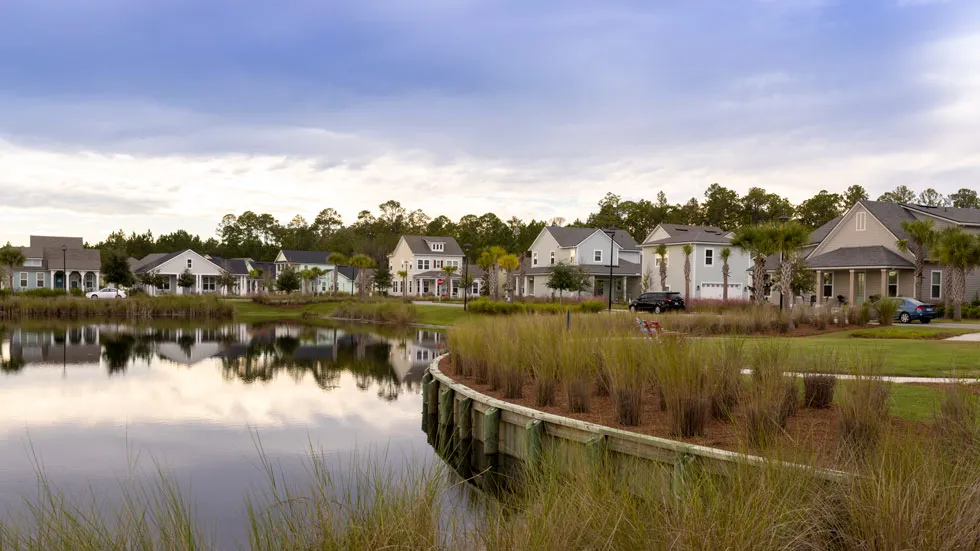
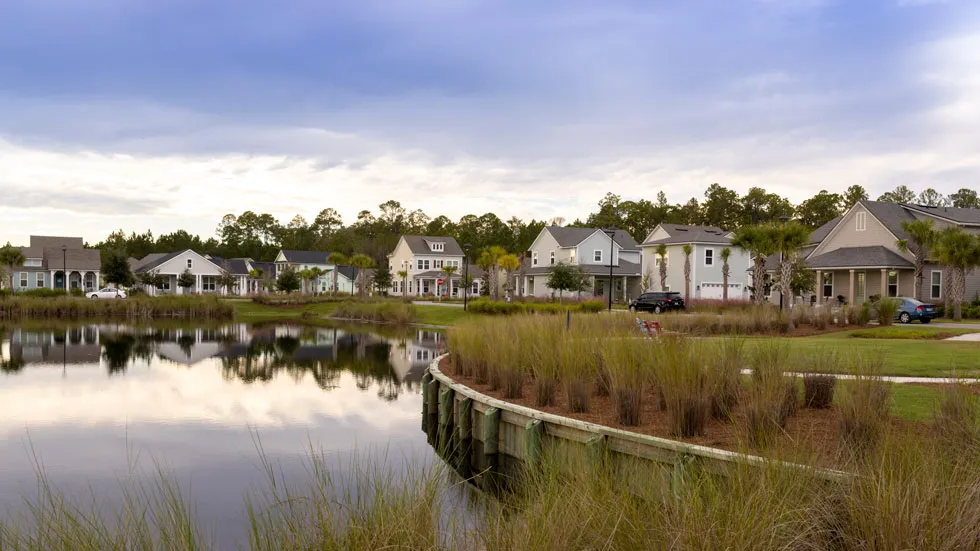
That philosophy is already shaping Rayonier’s real estate strategy. The company has several long-term master-planned development projects underway, including Wildlight, north of Jacksonville, Florida; Heartwood, south of Savannah, Georgia; and the Chenal Valley project near Little Rock, Arkansas that came with the PotlatchDeltic merger. Each represents a multi-decade opportunity to convert strategically located timberland into higher-value real estate as surrounding communities continue to grow.
Importantly, McHugh says those projects have moved beyond the early investment phase. “The hardest part is on the front end, where you’re making those startup investments,” he says. “All three of our projects have now really hit their stride and are generating both cash flow and value for our shareholders today.”
Those development efforts complement another area of growing focus: land-based solutions. This business encompasses a range of emerging uses for timberland, including carbon capture and storage infrastructure, renewable energy development, and other projects supporting the energy transition. “We’re very focused on building out our land-based solutions business,” McHugh says. “We’re still in the nascent stages of it, but we see a lot of long-term upside there as well.”
Preserving the Spirit of a Merger of Equals
Executing Rayonier’s strategy requires more than combining land holdings. It also means bringing together two organizations with long histories, experienced employees, and established operating cultures.
Rather than allowing one company’s processes to dominate, McHugh notes leadership deliberately adopted what he calls a “best athlete” philosophy—selecting the strongest people, systems, and operational practices from both organizations.
“If you look back and it’s all one company’s athletes and one company’s practices, that doesn’t work either,” he says. “We’ve worked really hard to maintain that spirit of the merger of equals throughout the entire process.”
That thinking extends to governance. The combined company features a balanced board with representation from both legacy organizations, while the executive leadership team also reflects a deliberate blend of experience. McHugh continues as president and CEO, while former PotlatchDeltic CEO Eric Cremers is serving as executive chairman for two years through the transition period.
Senior leadership responsibilities were intentionally divided between executives from each legacy company. Operationally, integration has progressed faster than expected. The merger closed ahead of schedule on January 30th, and management says it remains on track to achieve its targeted $40 million in annual cost synergies, with roughly half expected by the end of the first year and the balance by the end of the second.
The focus now has shifted toward systems integration and identifying additional opportunities to improve efficiency by applying best practices across the larger organization.
Built for the Long Term
Like much of the forest products industry, Rayonier continues to navigate a difficult housing environment. Higher interest rates and affordability challenges have limited new home construction, constraining demand for lumber and timber. At the same time, some emerging land-based businesses have taken longer than expected to mature because of permitting requirements and lengthy regulatory processes.
Even so, McHugh remains optimistic. He points to what he views as a significant long-term shortage of U.S. housing, believing that improving interest rates and stronger consumer confidence should eventually provide meaningful tailwinds for both timber and wood products demand.
In the meantime, the company’s diversified portfolio offers multiple ways to create value independent of housing cycles. That, ultimately, is the strategic rationale behind the merger.
Rather than relying on a single source of earnings, Rayonier now has a broader collection of assets—from timber production and wood products manufacturing to master-planned communities and emerging land-based solutions—all working together to maximize the value of its 4.1 million-acre portfolio.
Five years from now, McHugh hopes the transaction won’t simply be remembered as another round of industry consolidation. Instead, he wants investors to view it as proof that two companies with complementary strengths can create more value together than either could have generated independently.
“A lot of public company M&A gets looked back on as a value transfer from one set of shareholders to another,” McHugh says. “I really think we have an opportunity for our shareholders to look back and say this truly was a win-win transaction for both Rayonier and PotlatchDeltic shareholders.”