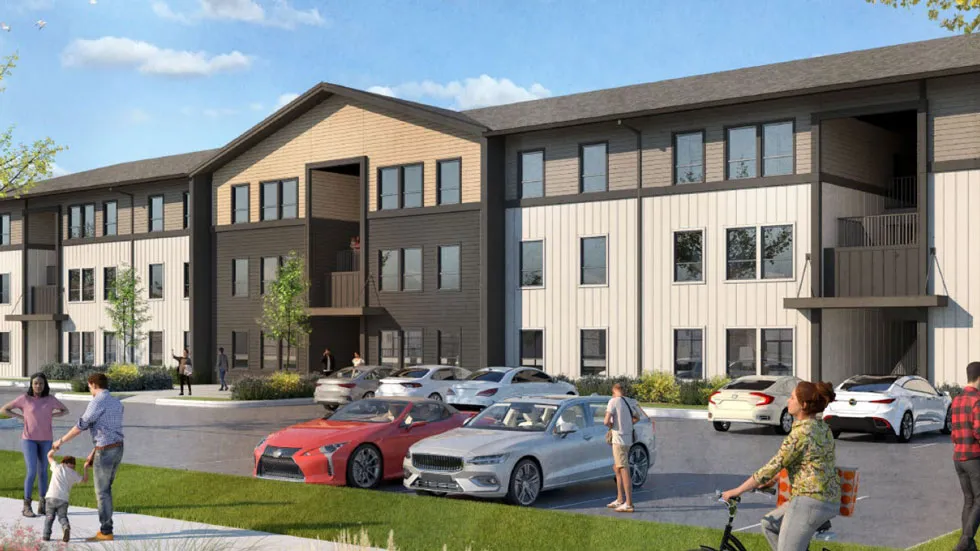

Financing affordable housing development is rarely easy, but when one of the nation’s most active developers of affordable housing began planning a new community in Austin a few years ago, they faced the additional challenge of a softening multifamily market, despite rising area median income (AMI).
The NRP Group saw the gap between rent-restricted units and market units shrinking, which in turn impacts net operating income and leaves affordable projects with additional risk. To meet its capital structure needs and move the project forward, The NRP Group turned to Safehold, Inc. (NYSE: SAFE), a REIT whose ground lease structure can be an effective tool for the development or acquisition and rehabilitation of affordable housing.
“We had a hard time finding both debt and equity sources in Austin, which also isn’t as strong a market on the LIHTC (low-income housing tax credit) side,” says Nathan Polidori, vice president of capital markets for The NRP Group. “We had a funding gap to fill and fortunately connected with Safehold and learned about their ground lease option.”
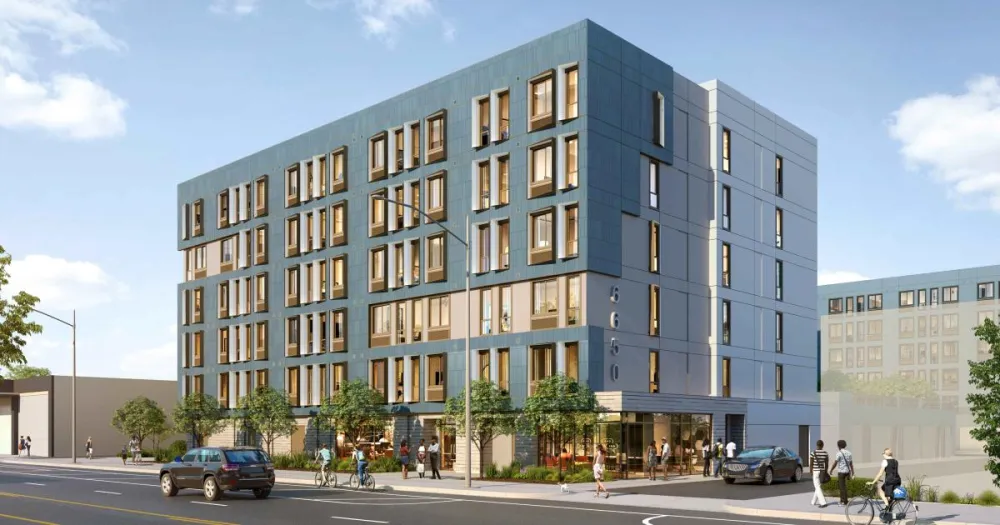
In March, Safehold and The NRP Group announced a deal to develop a 348-unit affordable housing community in Austin. Steve Wylder, head of investments for Safehold, noted that the REIT established a dedicated affordable housing platform in 2025 and the Austin deal was its 20th affordable housing transaction within the past two years. “We’ve facilitated the development of over 3,100 affordable units so far.”

Safehold, established as a public company nine years ago, has a portfolio of about $7 billion with 164 assets in the top 30 markets in the United States. While their assets include hospitality, life science, office, and mixed-use properties, about 62% of Safehold’s portfolio is multifamily communities, some of which are affordable and others market rate.
Ground Lease Option for Capital Stacks
While the term ground lease sometimes makes developers unfamiliar with the nuances of the modern ground lease system skittish, Safehold’s structure can be mutually beneficial to property owners, investors, and ultimately, tenants. Essentially, a ground lease treats the land underneath a property as a separate asset from the development.
“We are a provider of low-cost capital through a 99-year ground lease mechanism,” Wylder says. “We come into the transaction with proceeds that are typically at a premium to the underlying land value at a cost of capital that’s accretive to the equity yields and well inside of the cost of debt.”
At its core, Safehold provides capital at an attractive cost in the form of a lease that’s intended to be lender and tenant friendly, he says.
“Compared to yesterday’s ground leases, we’ve stripped out elements such as a variable underlying ground rent obligation and fair market value resets, which created uncertainty,” Wylder says. “Our ground leases are highly financeable and saleable.”
Safehold works with more than 60 lenders across all asset classes and its ground lease option is meant as a gap filler in capital stacks, he says. “Our ground lease solution complements both market rate and affordable housing developments. It works just as well for other property types, too.”
Affordable Housing Financing Option
A prime reason for Safehold’s focus on affordable housing is the opportunity to help solve challenges developers face, such as rising costs, higher interest rates, and the need to supplement tax credits and bonds, Wylder says.
“We can provide good returns to our investors while bridging the financing gap for affordable housing, which is in high demand in most markets,” he says. “Our primary focus is on 4% LIHTC deals in infill locations in larger markets with strong population growth and income growth.”
For example, the Austin deal with The NRP Group, which is Safehold’s first affordable housing deal in Texas, is a key market for the company.
“Affordable housing in Texas has some very specific nuances, such as the need to include a nonprofit partner from the beginning to facilitate the deal,” Polidori says. “That kind of public-private partnership isn’t always needed in other locations.”
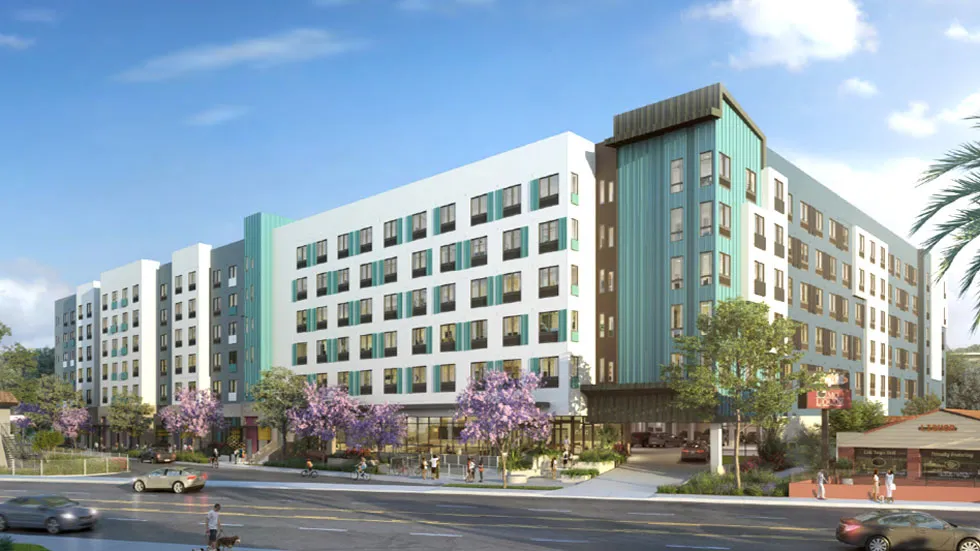
To develop affordable housing, developers like The NRP Group are always looking for the right location and tax exemptions or tax abatements along with other debt and equity options.
“These are always complex financing structures, but we feel like we’ve found a new option with Safehold,” Polidori says. “They are collaborative, understanding, and solution-oriented.”
Polidori says that there was no other local source of financing available when Safehold stepped in with the ground lease option in Austin.
“We’re exploring more deals with Safehold in 2026,” Polidori says. “Now that we understand how their ground lease option works, we think this is one of the cheapest and most efficient sources of capital we can find.”
Polidori says the ground lease model is particularly helpful in larger bond deals that are driven by NOI, although this form of gap financing can be used in smaller 100-unit deals, too.
“Austin offers a large market with limited subsidy dollars,” Wylder says. “For our affordable housing platform, we focus on high-cost MSAs with acute demand for affordable housing. For our conventional housing platform, we’re looking at deals across the top 30 MSAs.”
Adaptability of Ground Lease Financing
Safehold has worked its way through a challenging rate environment over the past few years, Wylder says.
“We’ve grown across all asset classes and locations,” he says. “Our largest market is California, but now we’re expanding into more states, particularly for affordable housing deals.”
Safehold recently closed a market rate deal in Boston for a ground-up 204-unit multifamily development. “Boston is an important market for us where we want to grow our exposure,” Wylder says.
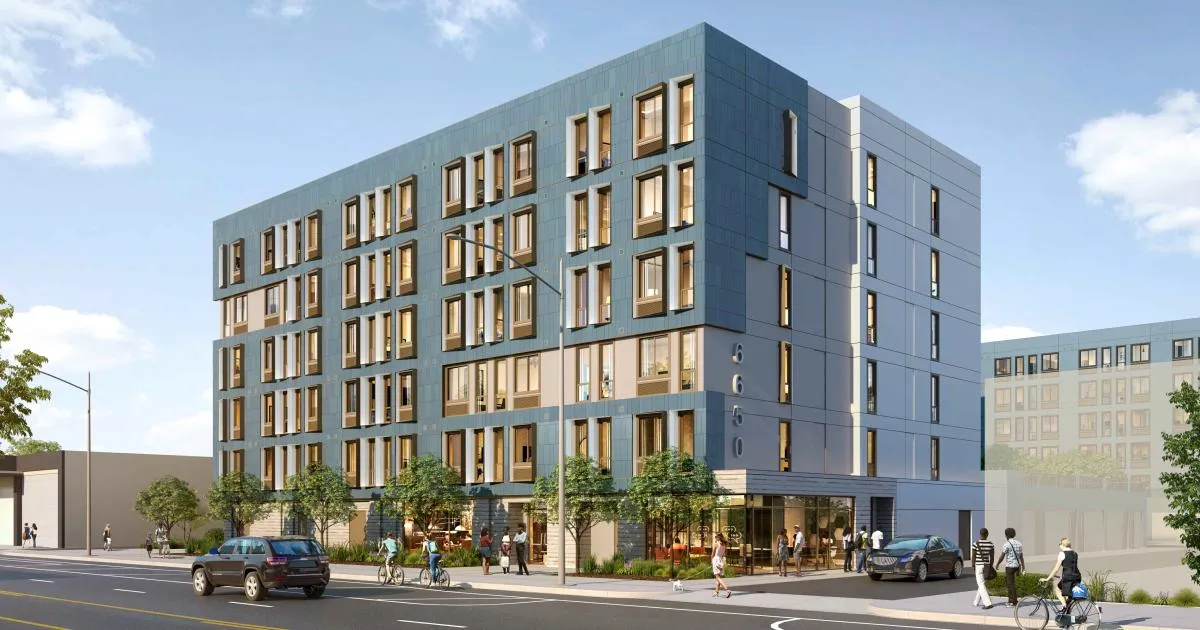
Despite having funded more than $7 billion, the biggest challenge Safehold continues to face is educating the market about the difference between traditional and modern ground leases.
“There’s still sensitivity and a perceived sense of risk among debt and equity sources about ground leases,” Polidori says. “Safehold had to provide a lot of education for us, but I think it will be more widely accepted in the future as more developers learn about it.”
Polidori says that some developers worry about a ground lease belonging to a third party, while others are concerned about how their rent may change over time. However, he says Safehold addresses those issues and provided more certainty about the ground lease rent by implementing a fixed and longer period before a rent re-set.
“Their terms work to insulate investors and lenders during the ground lease period,” Polidori says. “This is the right time for this financial tool because equity markets are difficult and the softness in some markets can be hard to underwrite.”
For Polidori, who is passionate about affordable housing, the ground lease tool works to get projects done when and where they are most needed. “We’re financing projects now that will deliver in 2028 in a market that’s expected to have strong demand and low supply,” he says.
While Polidori also sees the value of Safehold’s ground lease tool for market rate development, he thinks it’s easier for tax investors to grasp the value since they typically make longer term investments of 15 years or longer compared to market rate investors who often look at a three-year time horizon.
“We see a ton of opportunity ahead of us as we change people’s views of ground leases,” Wylder says. “We’re always looking for shovel-ready deals where we can fill the gap to remove roadblocks and get a project started.”