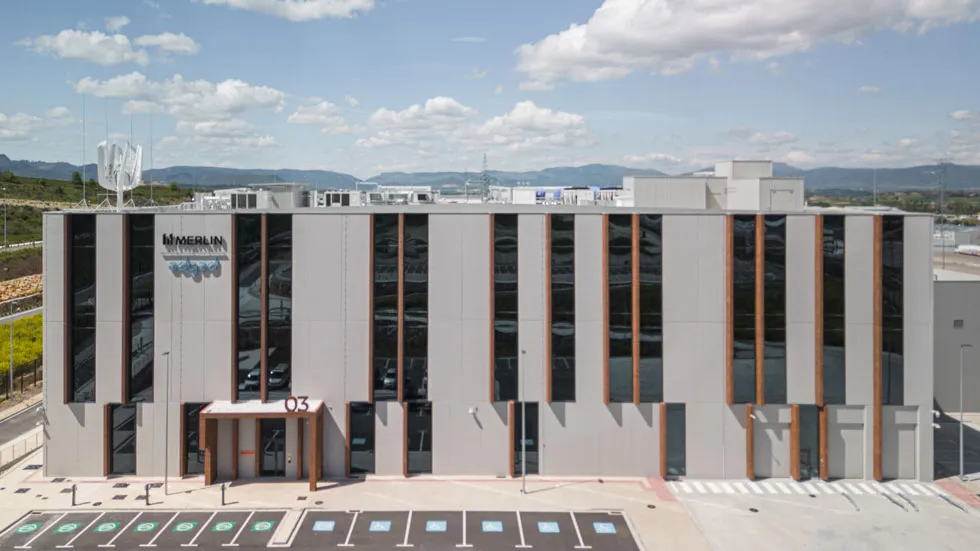
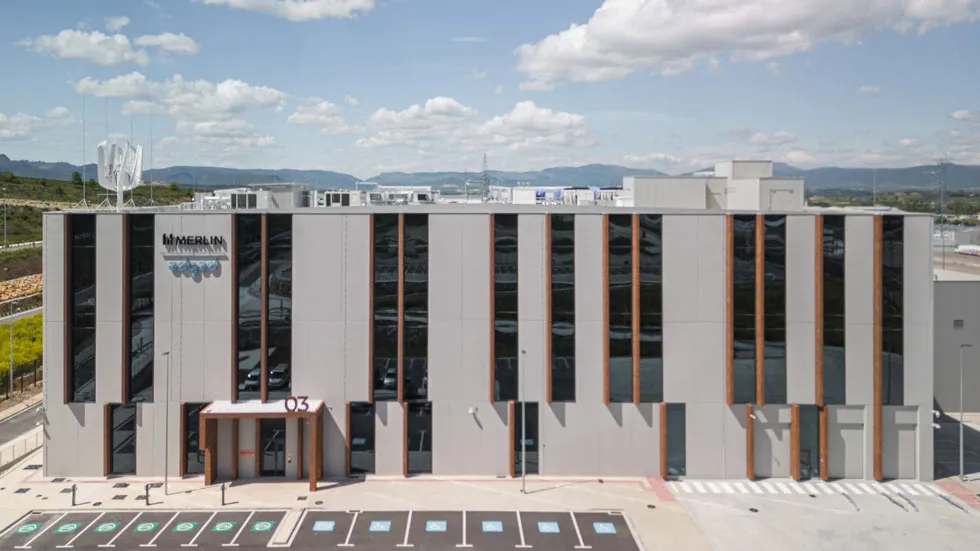
In the past decade-plus, Spain’s MERLIN Properties SOCIMI, S.A. (MC: MRL) has undergone a distinct strategic evolution—progressing from acquiring assets at favorable prices and expanding its portfolio, to enhancing operations and unlocking value, to now focusing on the development and execution of its long-term digital infrastructure strategy.
While digital infrastructure is set to play a growing role in the REIT’s portfolio, its traditional businesses including offices, shopping centers, and logistics remain its bedrock, enabling MERLIN to invest in future growth.
MERLIN was formed in 2014 in Madrid, when industry veteran Ismael Clemente and other key executives left their former employer, Deutsche Bank. With CEO Clemente at the helm, he and his executive team quickly assessed the situation—as the economic impacts of the global financial crisis continued to be felt across Europe—and planned their attack.
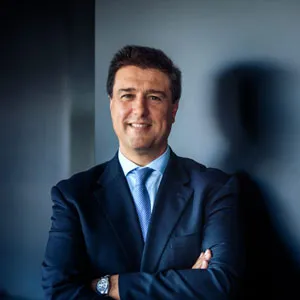
Today, MERLIN describes itself as the leading real estate and infrastructure company in the Iberian Peninsula. REIT.com recently sat down with Clemente to hear more about the company’s strategic pivot, how trends and sector performance have driven its investments, and where MERLIN is headed in the future.
When you and your partners formed MERLIN in 2014, what was the state of the commercial real estate market in Spain?
When we launched MERLIN in 2014, Spain and Portugal were still very much in the aftermath of the financial crisis. The real estate market had gone through a dramatic correction. Values had fallen significantly; in many cases by more than 50%, and liquidity had largely disappeared. Banks were deleveraging, and there was very little institutional capital actively investing.
From our perspective, however, this was precisely the opportunity. The fundamentals of the Spanish and Portuguese economies were starting to stabilize, and we believed that high-quality assets were being mispriced due to a lack of capital rather than a lack of long-term value. So, we saw a window to build a portfolio at an attractive entry point.
What sectors did MERLIN initially invest in and why?
We focused primarily on offices, logistics, and retail assets, what I would call the core pillars of commercial real estate at the time. Offices, particularly in Madrid, Barcelona, and Lisbon offered strong long-term fundamentals at depressed valuations. Logistics was still an underdeveloped sector in Spain, but we anticipated structural growth driven by e-commerce.
Retail, especially urban and dominant shopping centers, also presented opportunities where we could actively manage assets and improve performance. The common thread across all sectors was the ability to acquire quality assets at a discount and then create value through active management.
How has MERLIN’s investment thesis changed from those early days to adapt to current market dynamics?
In the early days, our strategy was clearly opportunistic. We were deploying capital into a distressed market, acquiring high-quality assets at very attractive prices. That process initially started with the acquisition of individual assets, where we could be highly selective and focus on quality.
Very soon, we moved into a second phase, which involved acquiring real estate companies in order to access the underlying assets. That allowed us to scale the platform much more rapidly, but it also required a significant digestion process by selling the assets that we considered to be non-strategic in the long term. That capital recycling exercise was a key art of building the company we have today.
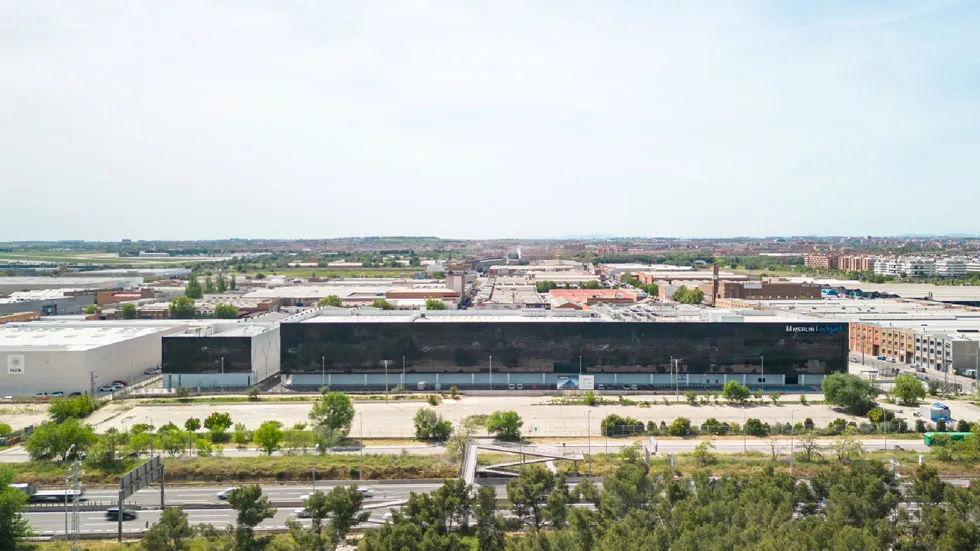
As the market normalized, our focus naturally shifted from acquisition to value creation and capital allocation discipline.
A good example of this was the disposal of our hotel, rented residential, small office, light industrial, and net lease portfolios. We took advantage of an inflationary environment where interest rates had not yet fully adjusted, allowing us to achieve pricing above intrinsic real estate value. That kind of disciplined timing is a key part of our strategy today.
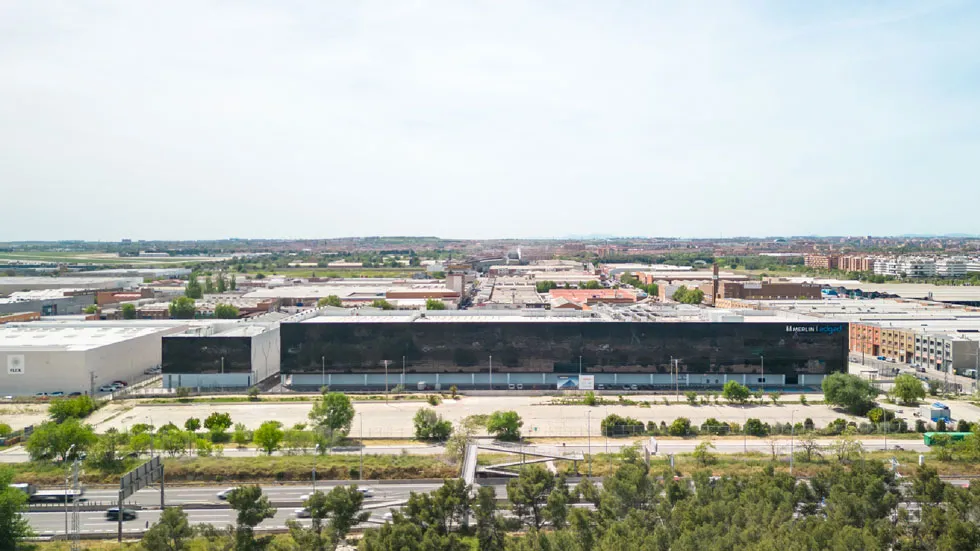
At the same time, we have been reallocating capital towards sectors with strong structural growth. Data centers are the clearest example of this.
How impactful is the burgeoning data center sector going to be for MERLIN?
Data centers represent a natural extension of our capabilities into infrastructure-like assets, and we see them becoming a core pillar of the company, driven by very strong structural demand linked to digitalization, cloud computing, and AI.
Looking ahead, data centers are not just an incremental investment, they are a transformational one. Today, it is still a relatively small part of our portfolio, only representing 10% of our revenues. I would expect it to be one of the key growth engines for MERLIN, accounting for close to 65% of our income within the next five years, which reflects both the strength of demand and our conviction in the sector.
What has been one of your best decisions since forming MERLIN?
One of the best decisions was to build a diversified yet high-quality portfolio early on, while maintaining financial discipline. We resisted the temptation to over-leverage, which gave us resilience through different cycles.
Another important decision was to invest heavily in logistics and data centers at a time when they were not yet fully recognized as core asset classes in Spain and Portugal. That has proven to be a significant driver of value over time.
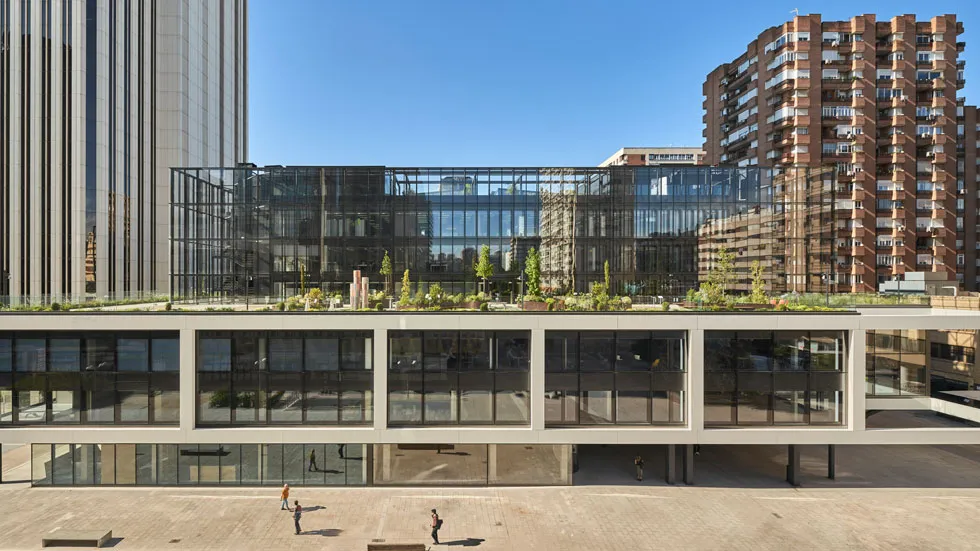
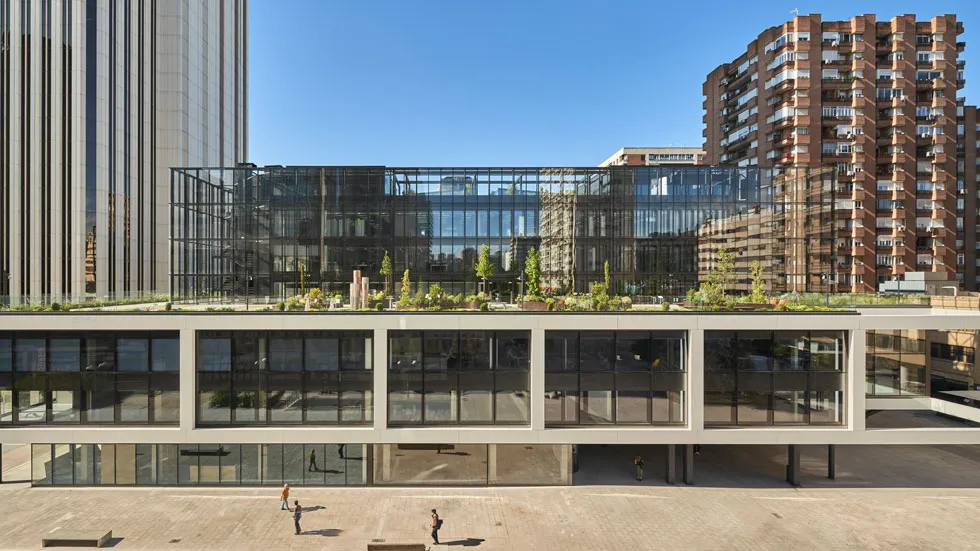
More broadly, I would highlight our discipline in capital allocation and timing. For example, exiting our rented residential portfolio before political pressure on the sector intensified was clearly the right call.
Similarly, we were careful not to accumulate excessive operating leverage in sectors like hotels and shopping centers ahead of COVID. That prudence allowed us to navigate the pandemic from a position of relative strength.
What decisions provided great “teaching moments” over the years?
One of the most important lessons for us has not come from a specific sector or investment, but from how you behave in extraordinary circumstances.
During COVID, we made a very deliberate decision to support our tenants at a time when many of them simply could not operate. That meant providing rent relief, showing flexibility, and prioritizing long-term relationships over short-term income. From a purely financial standpoint, it was not an easy decision, but it was the right one.
What we learned is that real estate is ultimately a service business. If your tenants survive and recover, you recover with them. And more importantly, you build trust and loyalty that are very difficult to replicate.
In the years following the pandemic, we have seen the benefits of that approach. Not just in occupancy and performance, but in the strength of our relationships. So, if anything, COVID reinforced the idea that discipline is not only about capital allocation, but also about how you act when the environment becomes truly challenging.
How much does sustainability, resilience, and climate concerns impact MERLIN’s investment decisions?
Sustainability is not a separate consideration. It is fully integrated into how we invest and manage assets. Energy efficiency and carbon reduction are essential both from a regulatory standpoint and from a value perspective.
Tenants increasingly demand sustainable buildings, and investors expect it as well. So, incorporating ESG criteria is not just about responsibility; it is also about maintaining competitiveness and protecting long-term value.
In our case, this is not theoretical. We have delivered very tangible results. Since 2018, we have reduced our carbon footprint by 91%, exceeding our original target of 85% set for 2028.
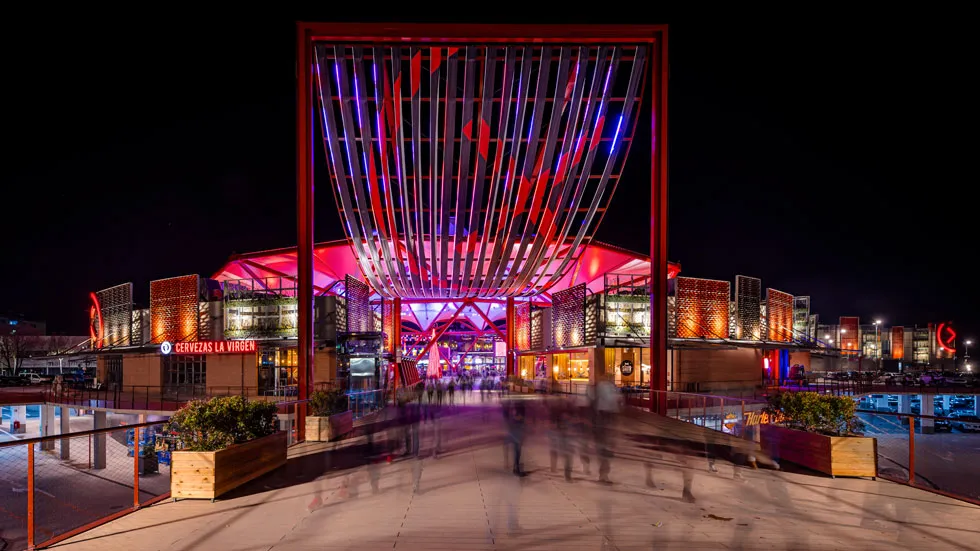
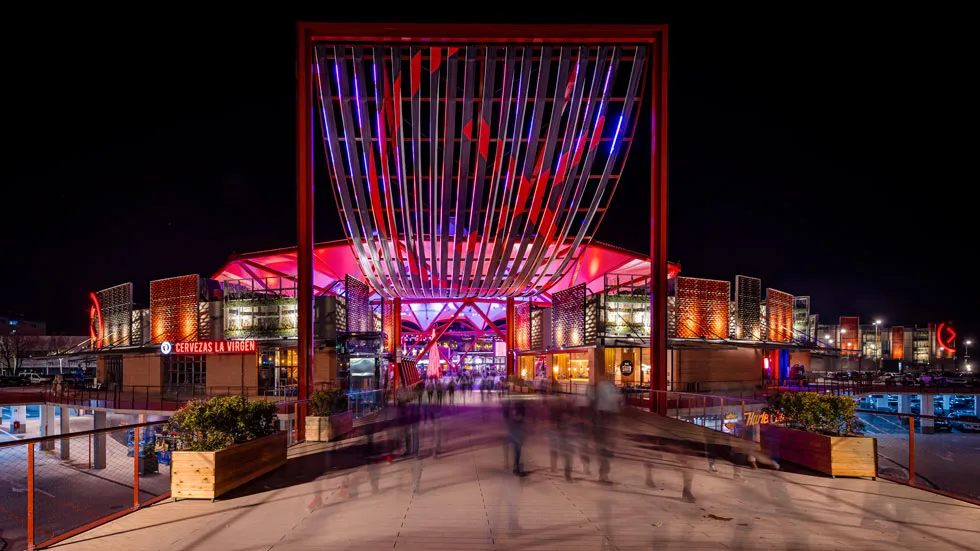
We have also gone a step further by incorporating full-lifecycle carbon measurement into our developments, which allows us to make more informed decisions from the design phase and to set increasingly ambitious targets going forward.
Finally, when it comes to unavoidable emissions, rather than relying on the purchase of carbon credits to offset them, we have chosen to invest in our own projects. That gives us greater control, credibility, and long-term alignment with our sustainability objectives
If U.S. investors are curious about investing in MERLIN, what would you tell them?
I would tell them that what we are seeing today in Spain and Portugal is the emergence of a new data center hub in Europe, and MERLIN is clearly in a leading position within that development.
Data centers are an asset class that U.S. investors understand very well. What is perhaps less widely appreciated is the growth potential that Europe—and particularly the Iberian Peninsula—offers in this space. We believe the opportunity here is very compelling, both in terms of scale and returns.
The Iberian Peninsula has all the right fundamentals: strong connectivity, available land, and, critically, access to abundant and competitively priced renewable energy. This combination is increasingly important for hyperscalers, Neoclouds, and large clients that are focused on securing capacity that is both efficient and sustainable.
It is also important to understand that data centers are a global business. Clients are often agnostic in terms of geography. They are looking for installed capacity, strong connectivity, and reliable, sustainable energy at a competitive cost. Iberia is very well positioned on all those fronts.
At the same time, while we are developing this new asset class and going through the ramp-up phase, our traditional businesses including offices, shopping centers, and logistics, continue to provide strong, recurring cash flow. That is our bedrock. It is what allows us to maintain a sustainable and growing dividend while investing in future growth.
So, for U.S. investors, this is not about entering an unfamiliar market. It is about accessing a familiar asset class in a geography where the growth curve is still very much ahead of us, combined with the stability of a well-established, income-generating portfolio.