After operating for years as Northwest Healthcare Properties REIT, Vital Infrastructure Property Trust (TSX: VITL.UN) has begun a new chapter with a name that better reflects its role as an owner of essential health care real estate and its growing focus on health care infrastructure opportunities in the Americas.
The Toronto-based REIT completed the name change in March, adopting a new ticker symbol on the Toronto Stock Exchange.
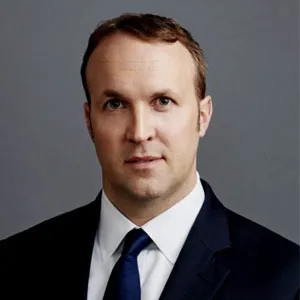
Zach Vaughan, CEO of Vital Infrastructure, says the rebrand is not about moving into new sectors, but rather communicating more clearly what the REIT already owns and where it intends to focus.
“We want to be Canada’s leading owner of high-quality health care infrastructure assets and provide investors exposure to the sector and irreversible demographic tailwinds,” he says. “Investors in Canada have far fewer options to access these assets than they do in the U.S.”
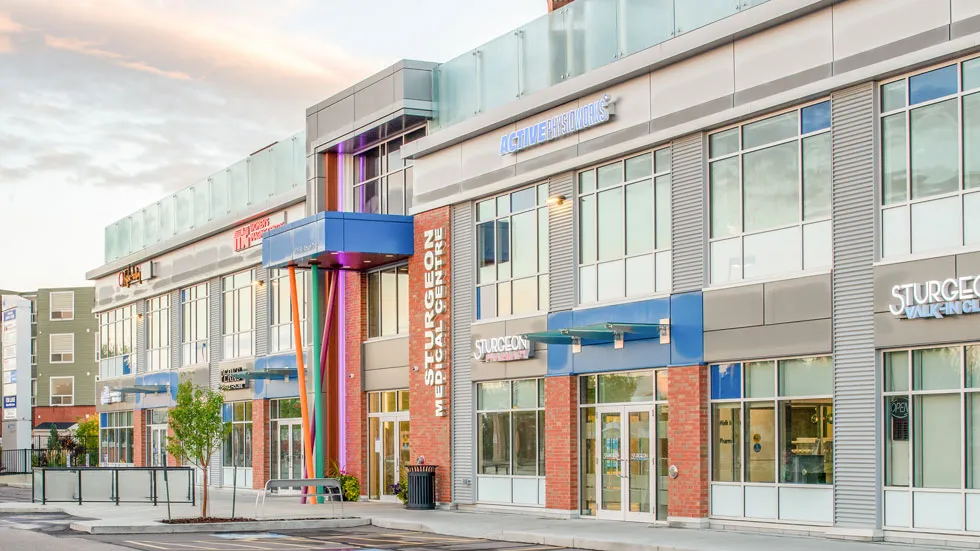
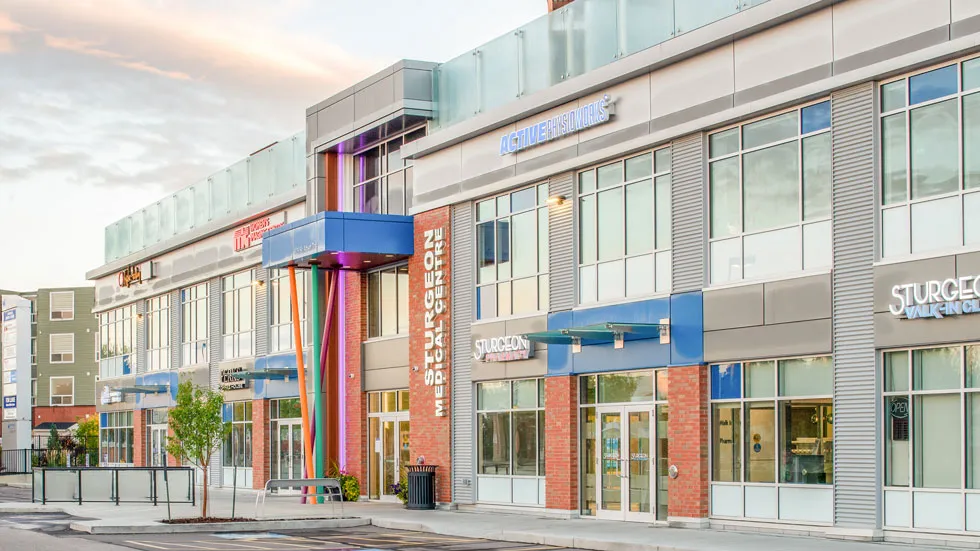
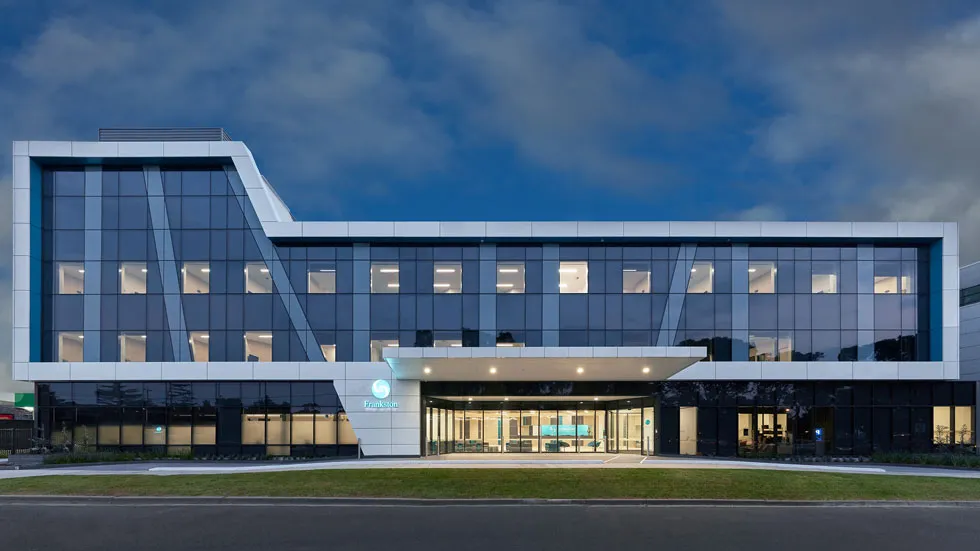
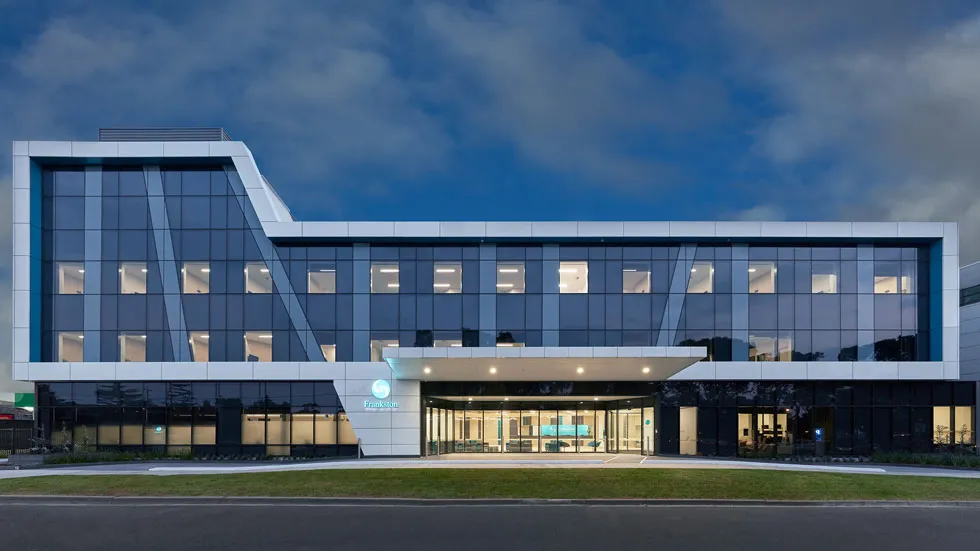
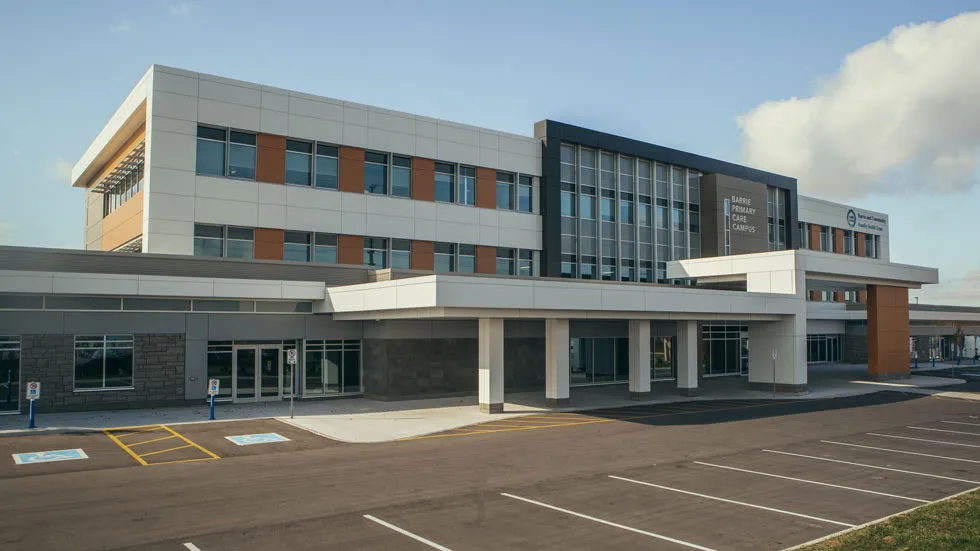
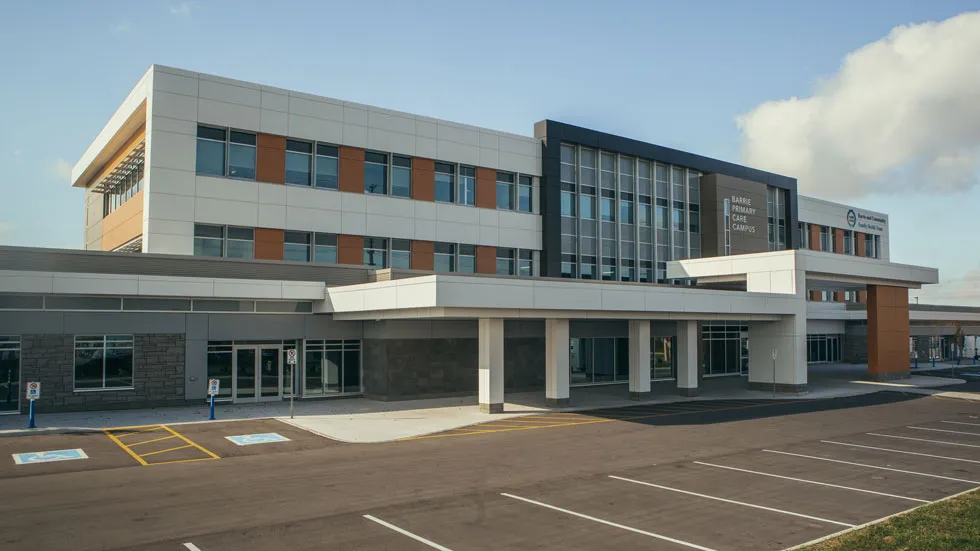
Vital Infrastructure’s portfolio includes hospitals, outpatient medical buildings, surgery centers, imaging centers, and other care delivery facilities. Currently the REIT holds interests in 134 income-producing properties (as of March 31) totaling approximately 13 million square feet of gross leasable area across North America, Brazil, Europe, and Australia.
The new name is intended to better align the company’s identity with its investment platform. Vaughan says the REIT is not entering other infrastructure categories or changing the nature of its portfolio.
“We’re not getting into new sectors,” he says. “We’re not moving into other types of infrastructure. We’re staying focused on health care infrastructure. It’s a vast sector, and there’s still plenty for us to do.”
Vaughan noted the word “infrastructure” was included in the new name deliberately because the company’s assets support services that are critical to patients, providers, and health systems.
“We thought what goes on in our buildings—hospitals, outpatient medical buildings, surgery centers, imaging centers—are critical to people’s everyday lives,” he says. “Many of our assets are leased long term to highly creditworthy tenants, often with government backed or government supported credit.”
Since becoming CEO in July 2025, Vaughan says the company has seen more infrastructure capital enter the health care real estate sector, another reason he believes the infrastructure label accurately reflects the business.
“I think the strategic shift is really about simplifying the business and focusing on fewer areas where we can have scale and generate better returns for our shareholders,” he says. “Complexity never pays, and simplicity sells.”
Simplifying the Business
Prior to Vaughan’s arrival, the REIT had built a portfolio of more than C$8 billion ($5.7 billion) in assets across several international markets. Vaughan says the company’s geographic reach created a level of complexity that made it harder for investors to fully appreciate the value of the underlying assets.
Unlike other areas of real estate, health care does not easily translate across borders, meaning tenant relationships and operating models are often market-specific, he says.
“In sectors like logistics and warehousing, you can often replicate a successful model across markets,” he says. “Health care is different. It’s an inherently local business.”
That local nature has influenced the REIT’s current push to concentrate more heavily on North America.
“The people who rely on our facilities are local,” he says. “We are not selling products or equipment, such as imaging machines. Health care is inherently local, which is why our focus is shifting back to North America.”
Recent transactions reflect that effort. The company sold its external management rights over Vital Healthcare Property Trust (NZX: VHP), a New Zealand-listed health-care property trust whose portfolio is concentrated in hospitals across Australia and New Zealand, for approximately C$170 million ($122 million). While Vital Infrastructure exited the management arrangement, it remains the trust’s largest unitholder, with approximately 24% stake.
The transaction generated proceeds while freeing up additional capital for redeployment. “Importantly, it gives us more capital to bring back and invest in North America,” Vaughan says.
Vital Infrastructure also agreed to sell most of its European assets to global alternative asset manager TPG, including clinics and outpatient medical properties in Germany and the Netherlands, as well as the operating business that supported those investments.
“We’re not looking to be a global asset manager,” Vaughan says. “Our focus is on simplifying the business and concentrating on the markets where see the greatest value.”
Health Care Infrastructure Focus
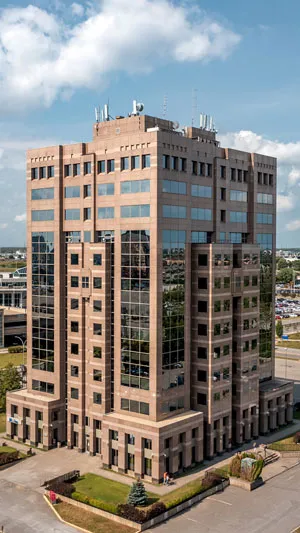
Vital Infrastructure defines its core investment focus around places where people receive care, procedures, or treatment, rather than places where they live.
“Our focus is on hospitals, surgical centers, outpatient facilities, imaging centers, and rehabilitation facilities,” Vaughan says. “We don’t invest in residential care settings. Skilled nursing and senior housing are not part of our strategy.”
The focus differentiates Vital Infrastructure from many health care real estate owners that have exposure to senior housing and long-term care facilities.
“We’re focused on the most essential, non-discretionary parts of the healthcare journey,” he says. “Fundamentally, we want to own assets supported by essential spending, where the ultimate payer is has little choice but to fund care and where long-term demand continues to grow.”
The REIT’s portfolio includes outpatient, inpatient, and health research facilities characterized by long-term indexed leases and stable occupancies.
Vaughan notes the company’s global history remains important, even as the current emphasis shifts toward the Americas.
The REIT became known over time for expanding into markets such as Brazil and Australia. While those moves made sense when the Canadian investment universe was not large enough to support the company’s growth ambitions, times have changed.
“We arguably have the best healthcare hospital portfolio in Brazil today,” he says. “In addition, our predominantly hospital-based assets in Australia are backed by long-term leases, providing strong visibility and stability of our long-term cash flow.”
Outpatient Opportunity
The opportunity set in the U.S. has evolved alongside a long-term shift in care delivery, with more procedures and treatments moving outside traditional hospital settings. Canada remains behind the U.S. in the shift toward outpatient care, but that lag is creating a growing opportunity for investment.
“What we’re seeing now is an accelerating shift toward outpatient care,” Vaughan says. “Canada is probably 15 years behind the U.S. and about eight years behind Europe, which is creating more opportunities for us.”


Although health care systems vary widely across different regions, Vaughan says the company looks for consistent characteristics: essential demand, strong underlying payer support, and assets that are difficult to replace.
“The U.S. health care system is very different from those in Canada, the Netherlands, Germany, Australia, New Zealand, and Brazil,” he says. “But our investment thesis is the same across markets: we want to own assets supported by non-discretionary health care spending.”
Investor Appeal
Investors are increasingly attracted to the stability of health care real estate and the relatively low risk of asset obsolescence with the company’s portfolio.
“I think investors understand the theme,” Vaughan says. “As you go through life, your health care journey changes, and you typically find yourself making more visits to doctors, health care professionals, and specialists.”
Vaughan also contrasts health care real estate with sectors facing greater disruption from changes in consumer behavior, workplace patterns, or technology.
“Investors are starting to understand that our assets don’t face much obsolescence risk,” he says. “You could make the case that certain shopping centers or lower-quality office buildings are becoming obsolete. That’s not really true of health care real estate.”
Another important component of that stability is the quality of the underlying credit supporting the company’s rent streams.
“When you look across our portfolio and ask who ultimately supports the cash flows that pay the rent, it’s roughly half AAA rated government credit and half AA-rated insurance credit,” Vaughan says. “If we owned shopping centers, that just wouldn’t be the case.”
That credit mix provides a level of stability uncommon in many commercial property sectors.
“Even if we owned trophy office buildings in a major city like Manhattan or Toronto, our tenants would still be private-sector businesses,” he says. “Our portfolio is different because the underlying cash flows are largely supported by government and insurance payers.”
The Road Ahead
The company’s next phase will center on building greater scale across North America, while continuing to simplify the broader platform.
“It would mean scaling up in North America and building a platform that can deliver highly repeatable investments,” Vaughan says. “It’s a combination of achieving greater scale, staying mindful of capital market conditions and continuing to shift more of the portfolio toward our home continent.”