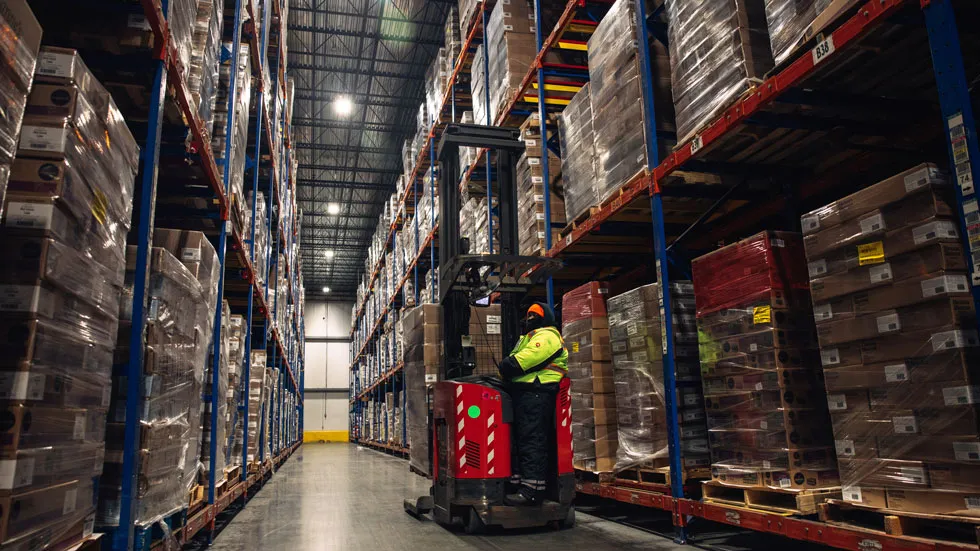
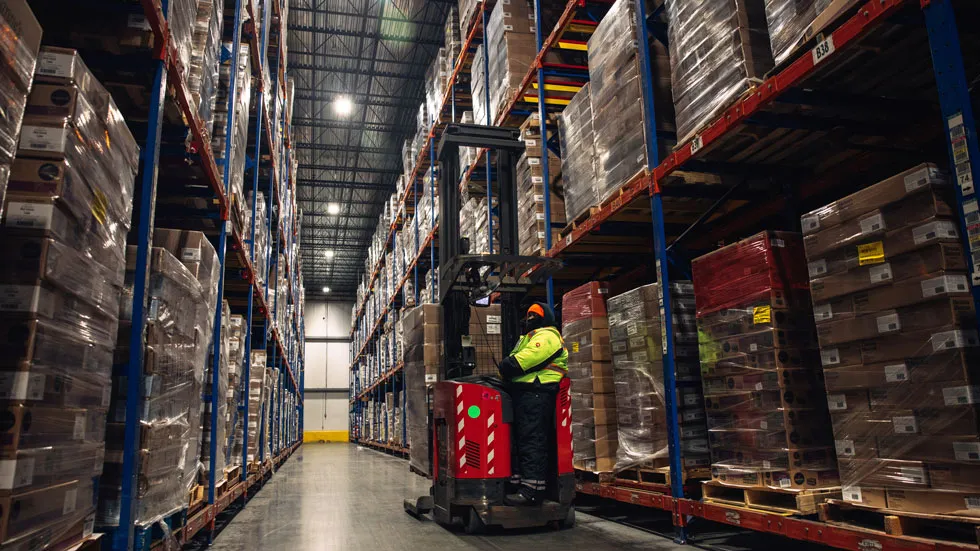
In an operating environment facing near-term headwinds, warehousing and logistics REIT Lineage, Inc. (Nasdaq: LINE) is focused on delivering solutions that support consistent and efficient international trade flows for its customers in the food and beverage industry. Lineage’s cold storage network spans more than 485 locations totaling approximately 86 million square feet and approximately 3.1 billion cubic feet of capacity in North America, Europe, and Asia-Pacific.
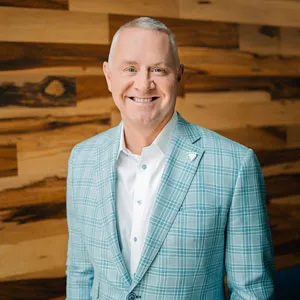
Greg Lehmkuhl, president and CEO of Lineage, describes how the company is adapting to tariff pressures, pursuing international growth, and deploying cutting-edge energy and data innovations. Underlying its multipronged strategy is the overall goal of strengthening global supply chain resilience.
Businesses in many industries are dealing with headwinds in terms of tariffs. How has this impacted Lineage over the past year?
International logistics will always bring complexity, and the tariff environment of the past year certainly introduced a new layer of uncertainty to the global movement of food. Like many companies operating across international supply chains, we’ve seen that impact alongside our customers.
Against this backdrop, we have continued to evolve our import and export services to help customers safeguard their global supply chains from disruption and continue moving products in and out of the United States with confidence. Our bonded warehouses, for example, provide importers with flexibility to hold goods under customs supervision until quotas reset, tariffs drop, or market conditions improve, while the blast freezing technology available in many of our facilities helps preserve product quality and prepares items for export to other markets.
As dynamics have shifted, we’ve stayed close to the impact on import and export activity and the ways our customers are adjusting. We have seen some customers hold off on re-orders as they await tariff resolution, as mentioned during our earnings call, and this aligns with broader industry reports. In the meantime, we believe our strategically positioned network, combined with integrated transportation and import-export expertise, helps position our customers to move as quickly as policy and market dynamics continue to evolve, such as tariffs rollbacks.
What is Lineage’s international growth focus?
We believe our global scale and network, rooted in our strong real estate fundamentals, creates a durable advantage that is best positioned to win in the long-term—and is difficult for others to replicate. Our real estate portfolio is the bedrock of our business, which we have invested in to grow and aim to maintain at the highest level, with modern assets concentrated in some of the most strategic locations around the world.

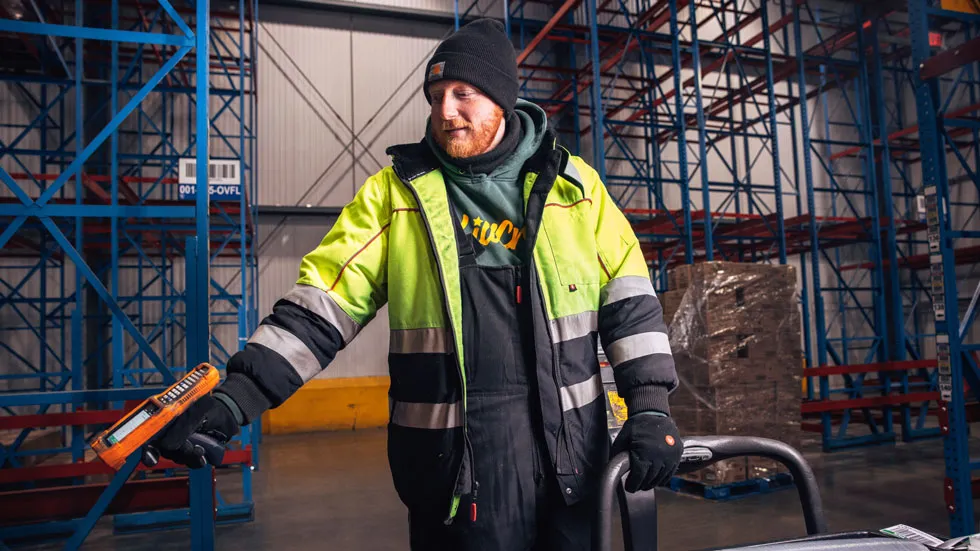
Our longstanding approach to growth, internationally or domestically, has been to intentionally purchase or build facilities in strategic locations that serve as critical nodes in our customers’ global supply chains, often near many of the world's busiest ports, in large population centers, and co-located production campuses. These investments reflect what we believe is a long-term opportunity for Lineage and value driver for both customers and shareholders.
As a trusted and forward-thinking partner, we continuously aim to deliver unmatched reliability through our global high-quality portfolio, paired with our comprehensive set of integrated solutions and differentiated technology-enabled capabilities.
The cold storage supply chain is essential, but also energy intensive. What is Lineage doing to address that?
Cold storage is inherently energy intensive, so improving how we use energy is central to our operations and to our purpose of transforming the food supply chain to eliminate waste and help feed the world. Throughout our network, we’re researching, piloting, and deploying technologies designed to optimize how our facilities run, reduce energy usage, and make our sites more resilient.
LinOS, our specialized warehouse execution system, is engineered to boost operational efficiency using unique, patented AI-powered algorithms. Functioning much like an air-traffic-control system inside the warehouse, LinOS directs the movement of team members and equipment in concert to help reduce unnecessary travel, streamline workflows, and optimize how and when machinery is deployed. Originally designed for and in use at select automated facilities, Lineage has begun LinOS pilots at conventional warehouse sites, where we are seeing double-digit improvements in key productivity metrics. These operational improvements also have a positive impact on our energy usage because they mean fewer trips into the freezer, more efficient movement in the freezer, and so on.
Are other technologies playing a role?
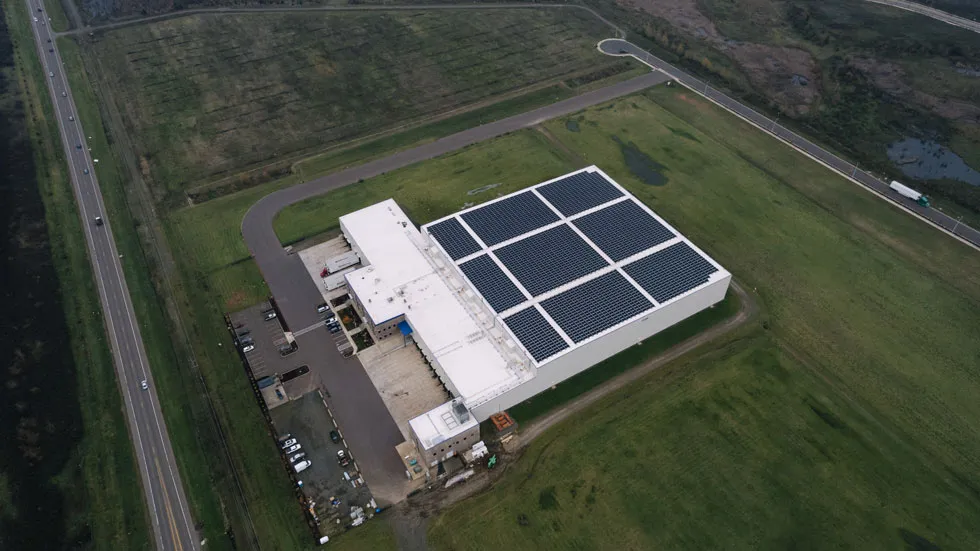
We also have taken measures to reduce emissions by utilizing renewable and low emission technologies to help meet our electricity needs and to generate more of our own electricity on-site. For example, we have continued to invest in building our solar energy assets across our network. We are advancing our sustainable and resilient energy goals through the expanded deployment of linear generators. These on-site systems produce power via a low-temperature reaction below the levels at which nitrogen oxide (NOx) emissions are formed and offer greater fuel efficiency compared to diesel-powered generators. Linear generators can integrate with other power-generating assets to create microgrids and lessen our reliance on regional power grids.

These technologies reflect Lineage’s broader commitment to creating a smarter, more resilient and more energy-efficient cold storage chain. Our data science team is also continually exploring new ways to reduce energy consumption across our network, working closely with our warehouse operators to pilot and refine solutions that can make a meaningful impact. These efforts are part of a longstanding journey to improve the efficiency and reliability of our operations through innovation.
What is Lineage doing to help manage food waste more efficiently and effectively?
Eliminating waste is core to Lineage’s DNA and central to our purpose. We’re continuously investing in technologies and operational practices that help keep food safe, so it gets where it needs to go with fewer resources and less loss.
Blast freezing is a cold storage solution that has been in practice for decades that rapidly brings food products down from room temperature to frozen, which reduces the risk of spoilage before goods ever leave the facility. Lineage’s data scientists have worked diligently to overhaul how we blast products to do it faster and with less energy, and without compromising food safety.

We are also leveraging data-driven insights and new technologies to help reduce waste before it occurs. Through platforms like Lineage Link, we give customers greater visibility into their inventories and supply chains. This supports more informed decisions about how much product to produce and where and when to move it, helping limit excess handling, storage, or transit that can contribute to waste.
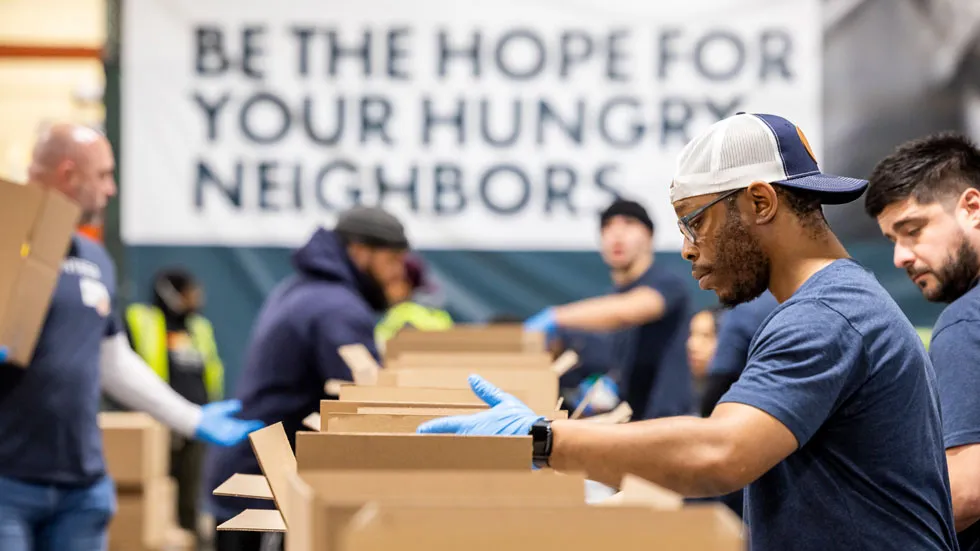
Further, in partnership with the Lineage Foundation for Good, we are proud to make it easier than ever for our customers to donate surplus product to community food banks. Whether it’s a product nearing expiration, mislabeled, or simply overstocked, we help customers redirect it to food banks and community partners quickly and responsibly. Once a customer decides to donate, the Lineage Foundation for Good team and site management take over by handling storage, transportation, and coordination with the foodbanks so we can reach those in need faster.
Taken together, these tools reflect how Lineage is applying technology, data, and real-time visibility to build a more efficient cold chain and reduce food waste at scale.
Can you site any projects that Lineage is developing that will be solely dependent on the use of alternative energy sources?
One of the most meaningful examples of our work in alternative energy is the microgrid we brought online in Salem, Oregon in 2024. This was our first onsite solar and battery powered microgrid, and it represents an important step in our broader effort to build more resilient, sustainable infrastructure for the cold chain. The system is designed to generate and store energy onsite, which reduces the facility’s reliance on the local grid during peak demand and strengthens continuity in the event of a grid disruption.


The Salem project brings together onsite solar generation and battery storage in a way that allows the facility to operate more independently from the regional grid. Instead of relying solely on grid power, the site can produce and use its own renewable energy when it’s most needed, especially during periods of high demand or stress on local utilities. This helps improve reliability for our operations while providing a cleaner energy profile for the facility.
As our first microgrid, Salem serves as an important proof of concept for how energy innovations can strengthen cold chain infrastructure. With local grids facing increased strain from severe weather events and large demand electricity loads, projects like this show how onsite energy generation and storage can help maintain continuity in temperature-controlled operations. We’re continuing to explore innovative energy solutions across our network while we continue looking for ways to enhance supply chain resilience and reduce the environmental impact of our operations.