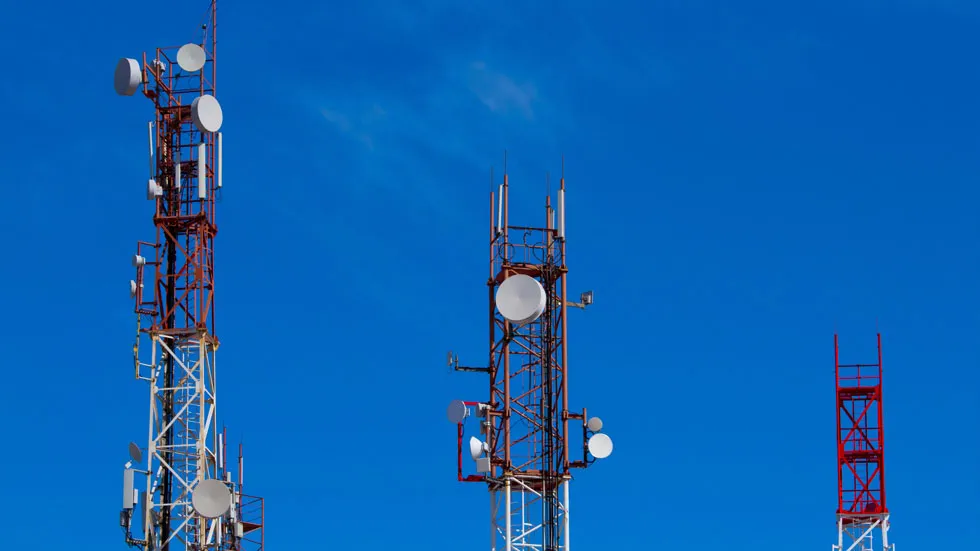
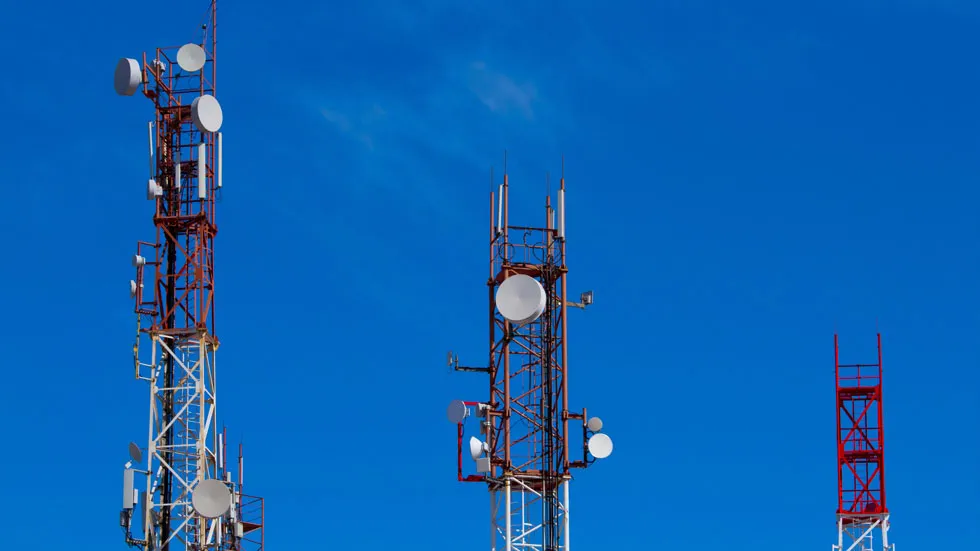
Telecommunications REITs own the physical infrastructure, including cell towers, fiber networks, and small-cell nodes, that powers modern wireless communication. These companies lease space to wireless carriers and broadcasters. Because this infrastructure is difficult and expensive to replicate due to zoning and construction costs, these existing assets form an essential, hard-to-replace backbone for mobile calls, streaming, and cloud applications.
The financial strength of this sector lies in its colocation business model. A single tower can host multiple tenants, meaning that once the initial construction costs are covered, adding a second or third carrier to the same structure generates significant profit margins.
The leases of U.S. telecommunications REITs are typically long-term contracts with built-in annual rent increases, offering the REITs steady, predictable cash flow. Furthermore, the relationship is incredibly sticky: once a carrier installs their equipment, moving it is costly and disruptive to their network, resulting in high tenant retention.
On a year-to-date basis, U.S. telecommunications REITs paid approximately $4.5 billion in dividends through the third quarter of 2025 according to Nareit’s REIT Industry Tracker. Over this same period, roughly $9.8 billion in funds from operations was generated.
Future growth for telecommunications REITs will be propelled by the rise in mobile data usage and the ongoing rollout of 5G networks. As demand for faster connectivity increases, carriers must densify their networks, relying heavily on existing towers and new small-cell nodes. Additionally, the boom in artificial intelligence and edge computing requires massive amounts of low-latency data transmission, further increasing the value of the fiber and tower assets that connect data centers to end-users.
- 8 Exabytes: U.S. telecommunications REITs facilitate the transmission of more than eight exabytes of data per month. One exabyte is approximately one billion gigabytes.
- 43%: 5G is expected to account for 43% of mobile data traffic at the end of 2025.
- $100,000-$150,000: The added cost for camouflaging a cellular tower in the U.S. can range from $100,000 to $150,000, on top of the base tower construction cost.
Sector Spotlight
FTSE NAREIT Telecommunications REITs
- Constituents: 4
- One-Year Return: -10.56%
- Three-Year Return: -6.34%
- Five-Year Return: -4.38%
- Dividend Yield: 3.76%
- Market Cap: $145.86 billion
- Dividends Paid (2025: Q3): $1.4 billion
- NOI (2025: Q3): $3.3 billion
Source: FTSE, Nareit REIT Industry Tracker | As of Nov. 30